Thinking about selling in Norwood Park, but not sure which updates today’s buyers actually want? You’re not alone. Many homes here have great bones and character, yet small, targeted improvements can make a big difference in price and time on market. In this guide, you’ll learn the highest‑impact updates, where to spend (and save), how staging helps, and what to know about permits and historic details. Let’s dive in.
Why Norwood Park buyers want turnkey
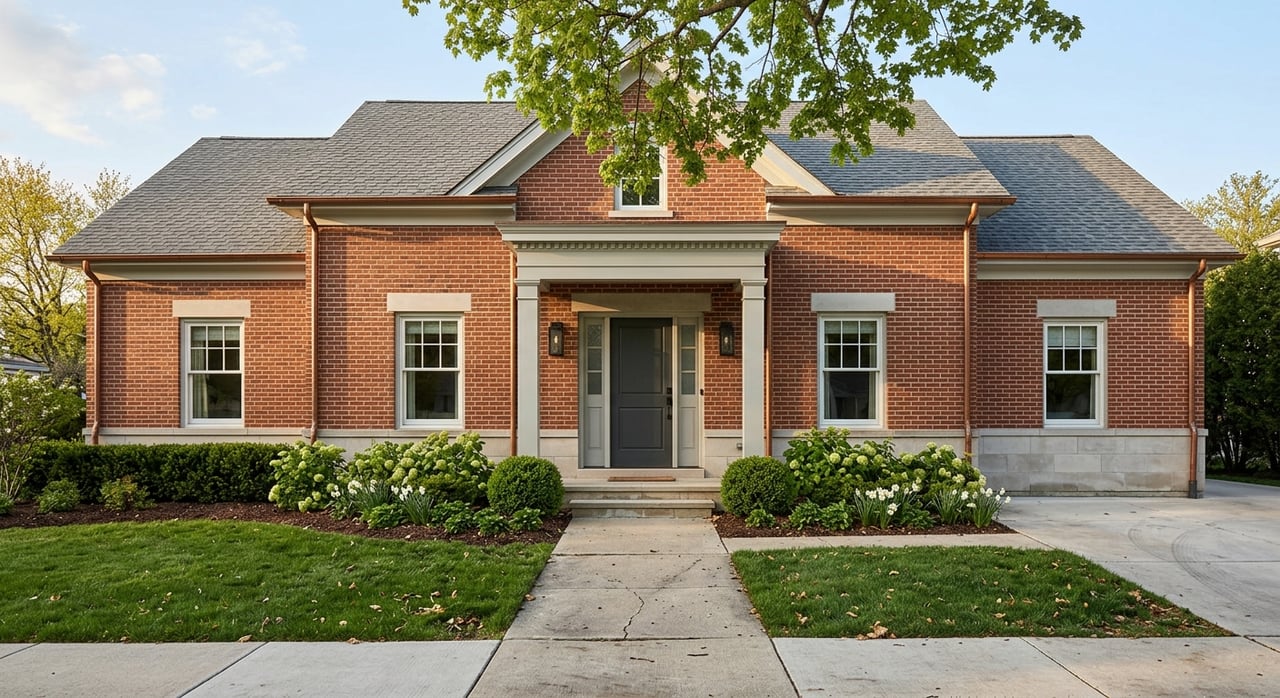
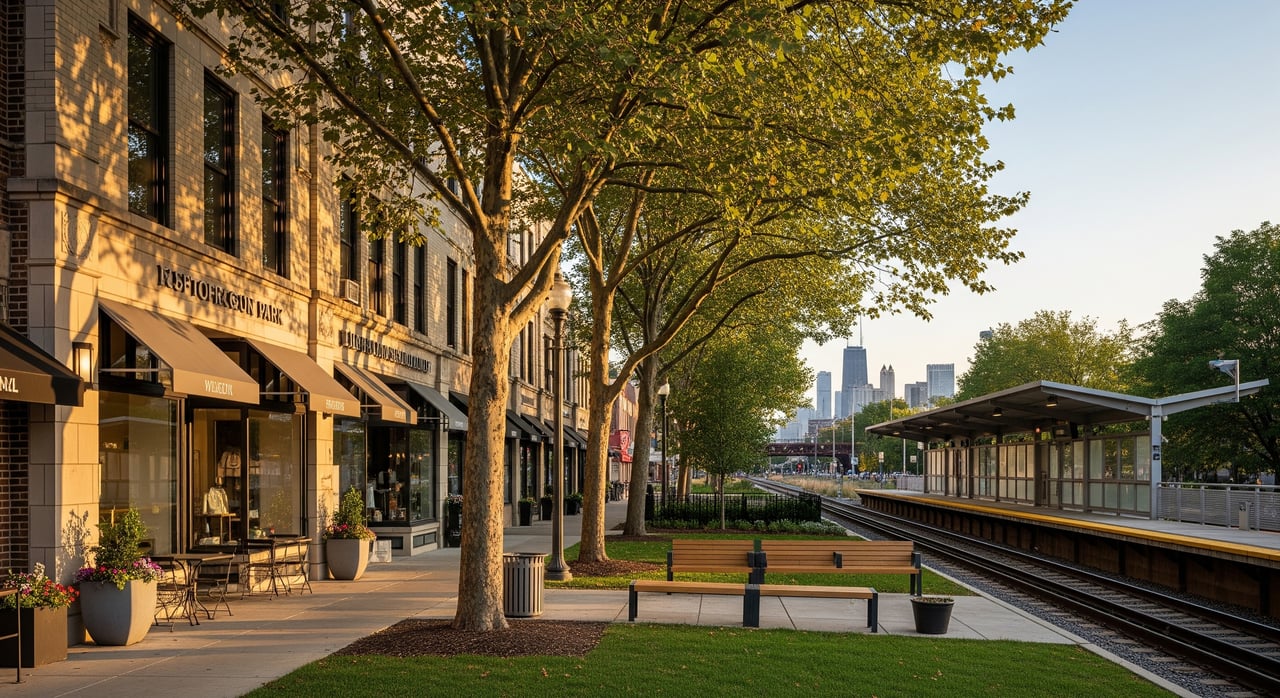
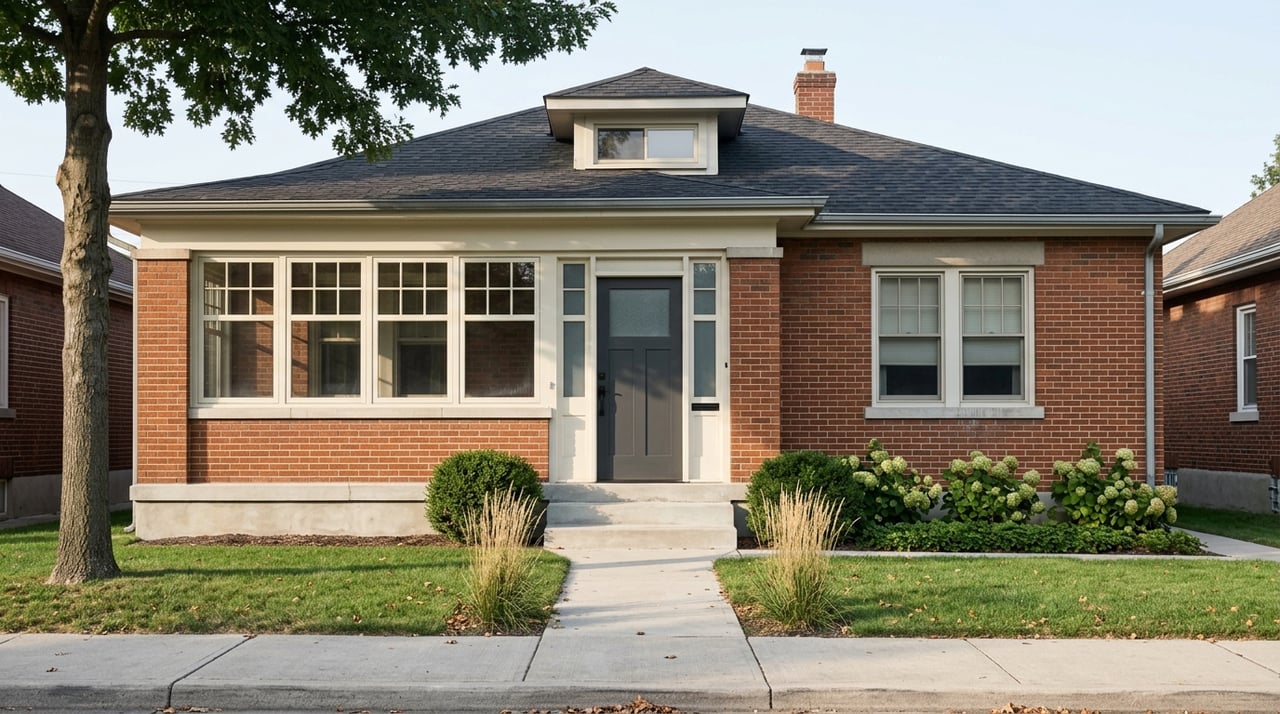
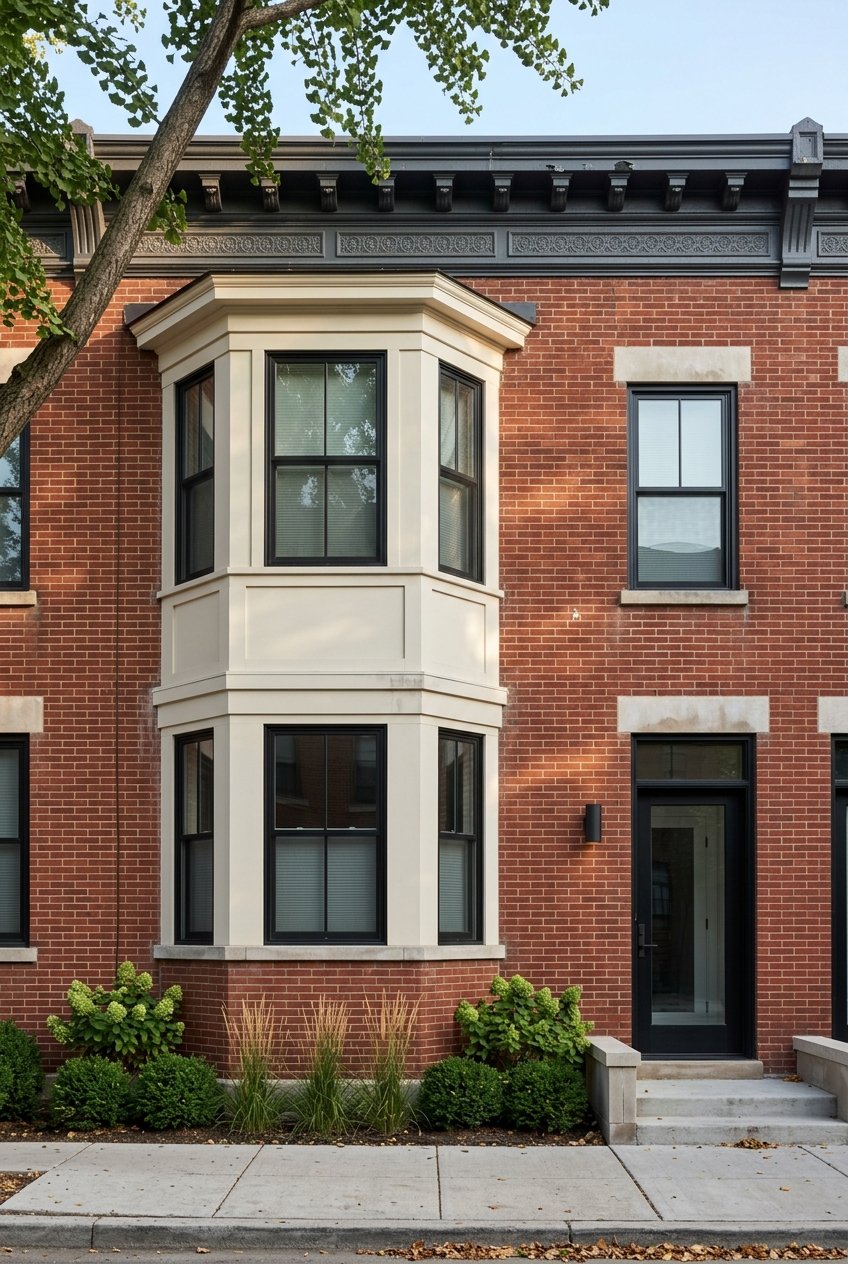
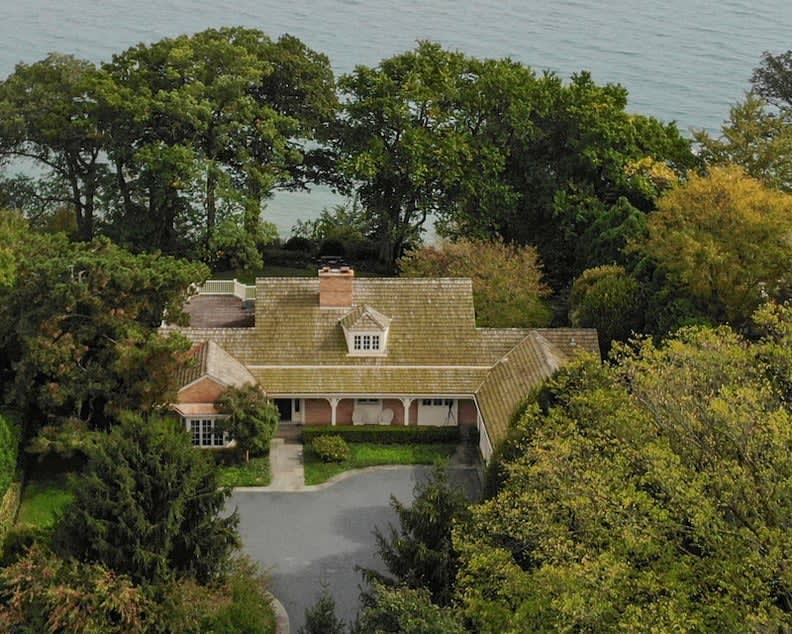
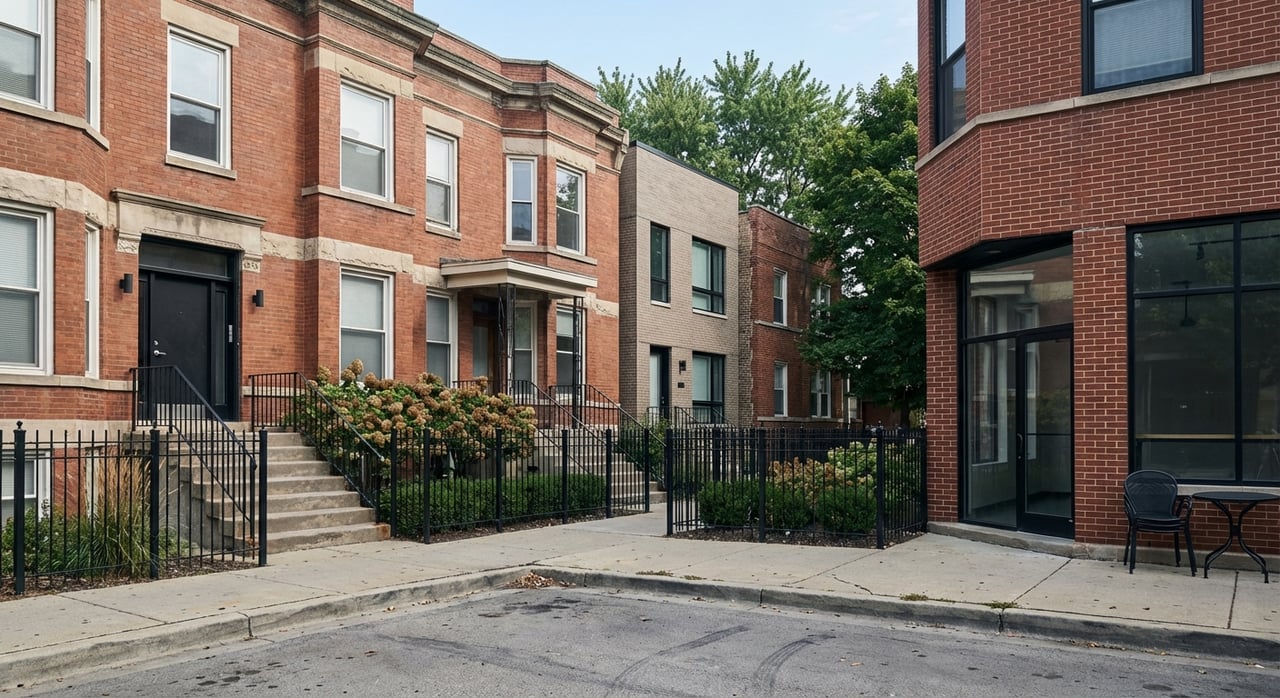
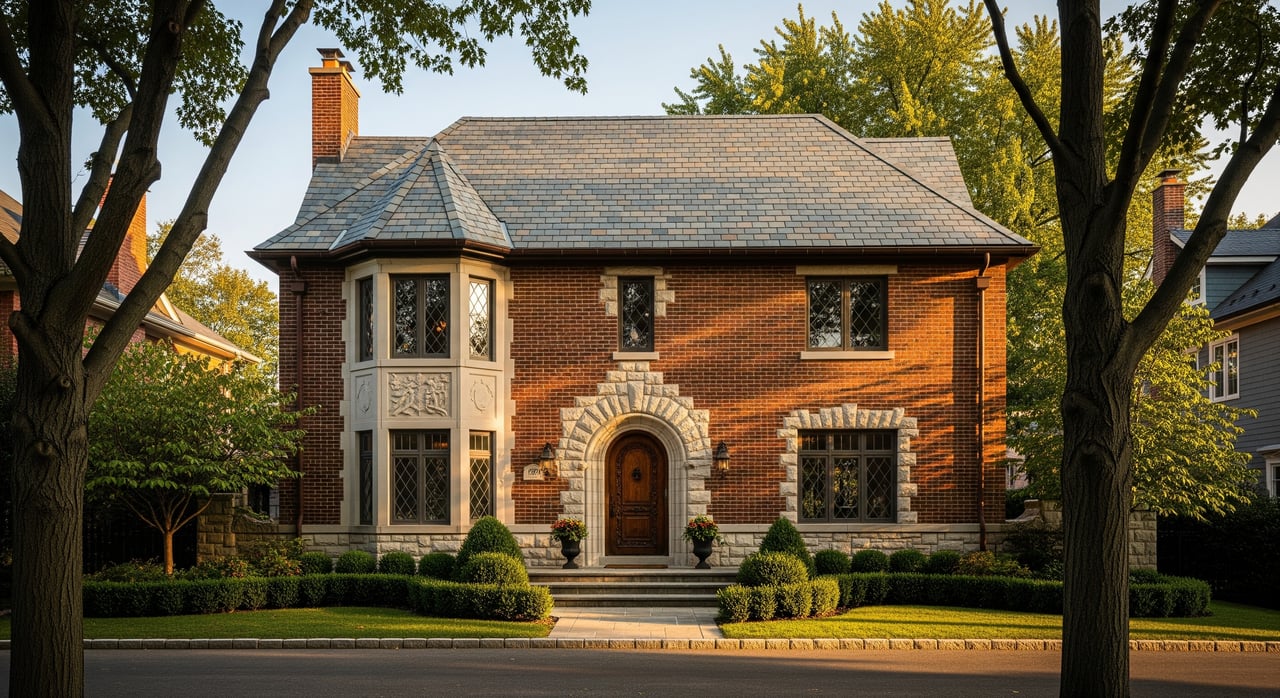
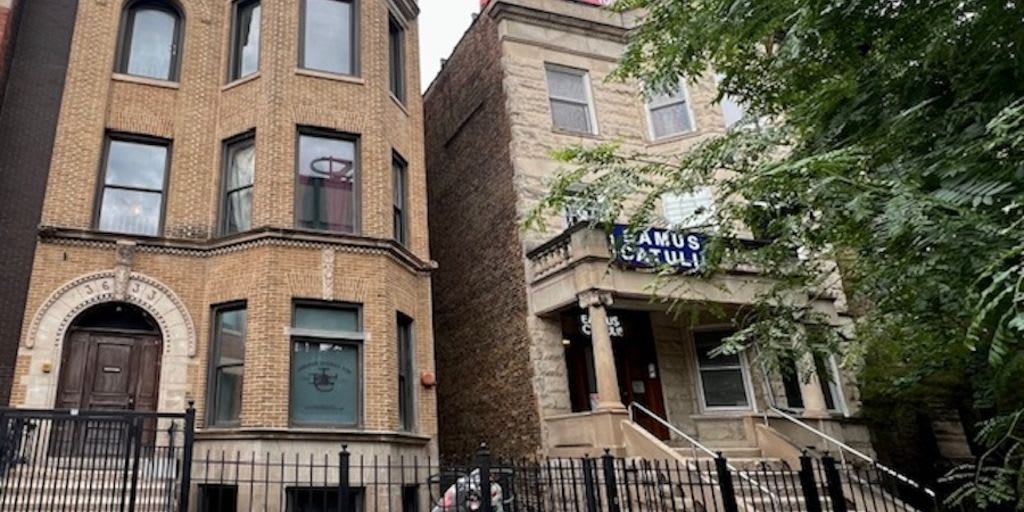
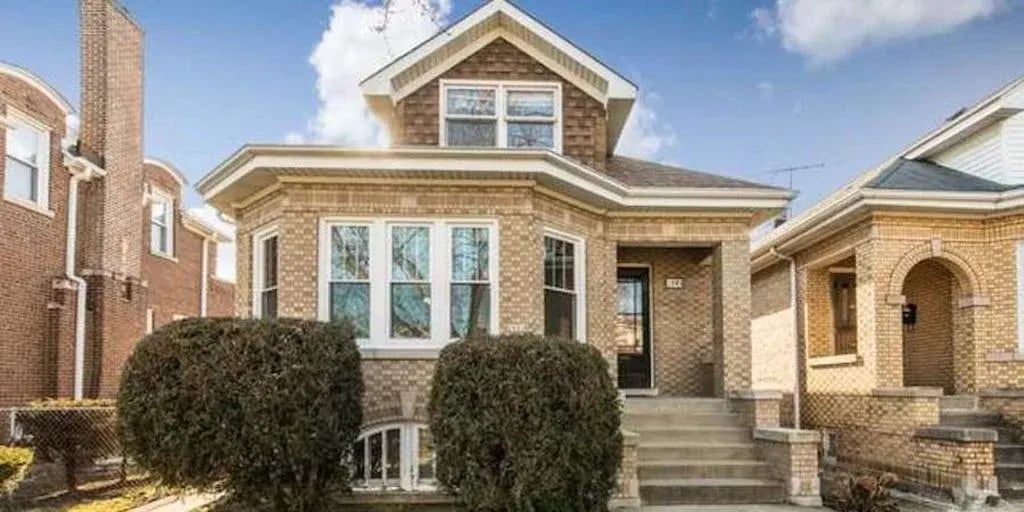
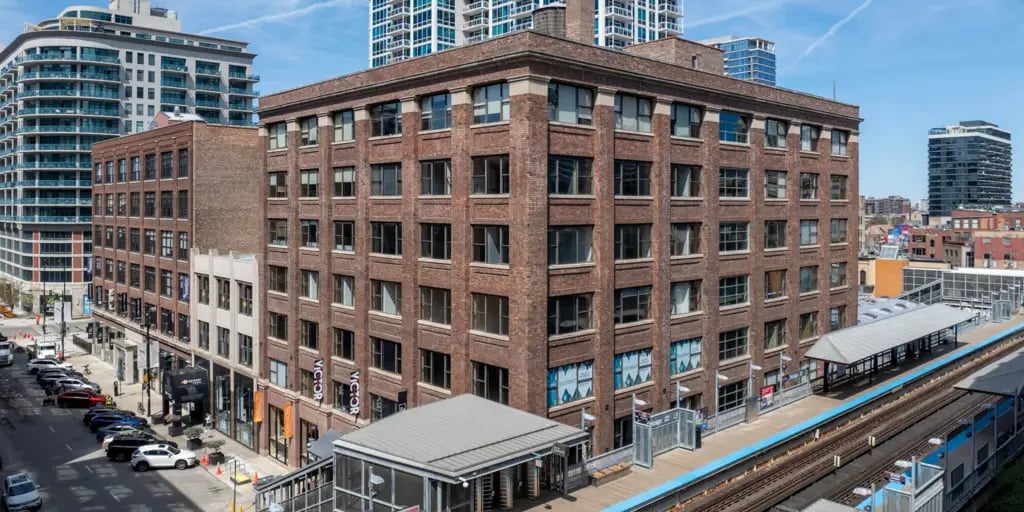
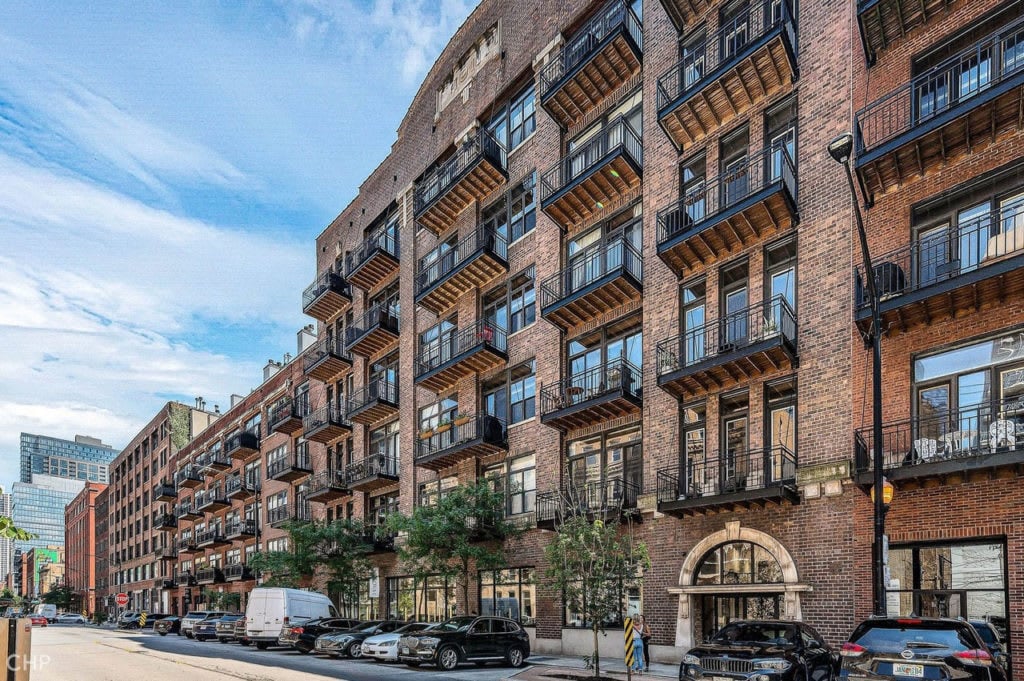
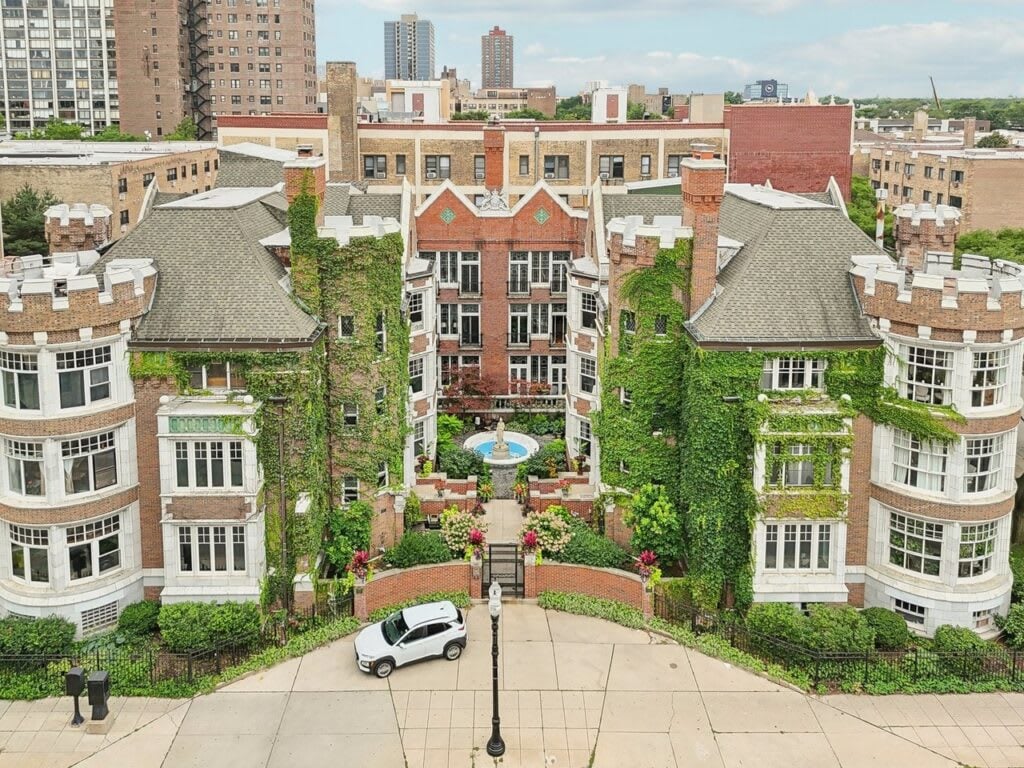
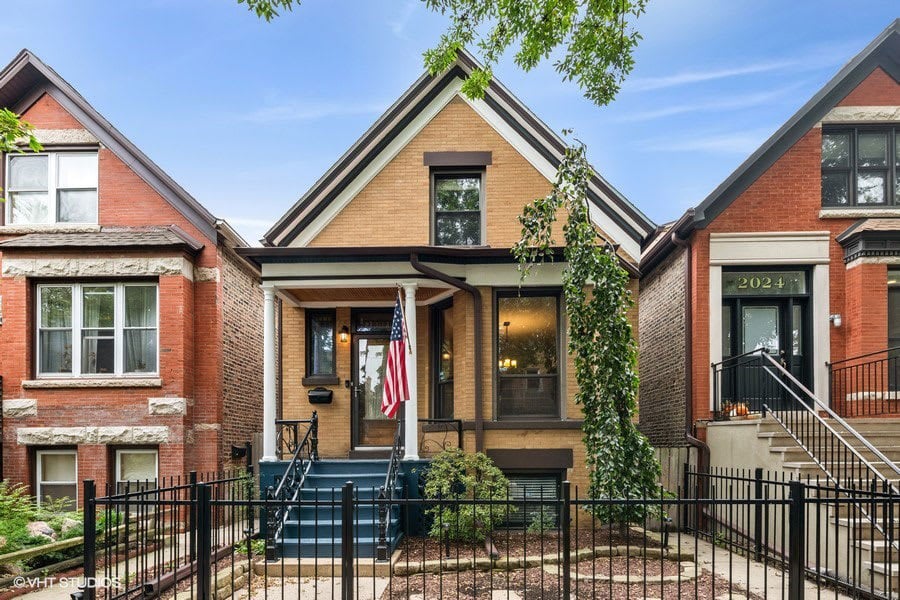
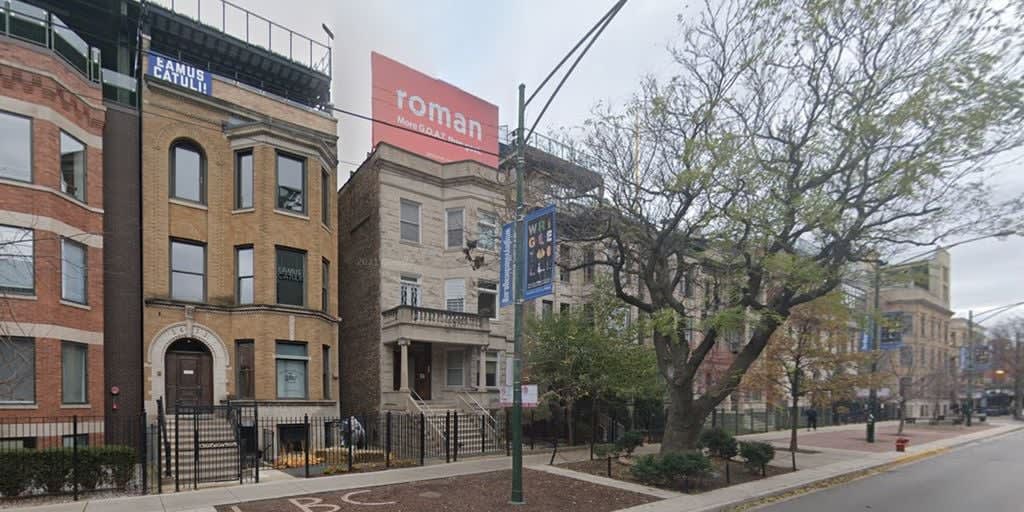
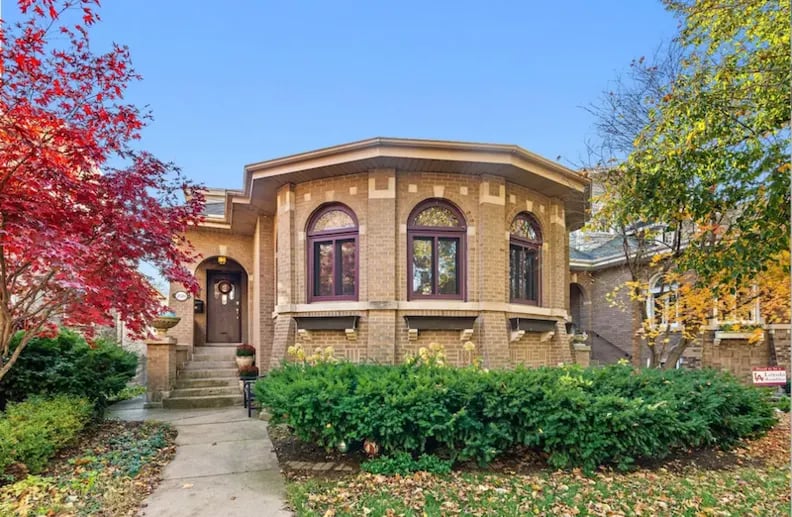
Norwood Park is known for mature streets, classic single‑family homes, and a calm, park‑like feel. Many blocks include historic architecture that buyers value for its porch and entry details, especially near the Norwood Park Historical District. That character is part of the draw, and buyers often want a home that balances original charm with modern convenience. If you present a clean exterior and updated kitchens and baths, you make it easier for buyers to say yes. Learn more about the neighborhood’s housing styles in this overview of Norwood Park, Chicago.
Quick market snapshot
As of January 31, 2026, third‑party sources report Old Norwood Park home values in the low‑to‑mid $500k range, with nearby subareas closer to the low $400k median and typical market times of several weeks. That points to an active market for single‑family homes, not a frenzy. In this environment, move‑in‑ready presentation helps your listing stand out without over‑improving.
Features buyers prioritize now
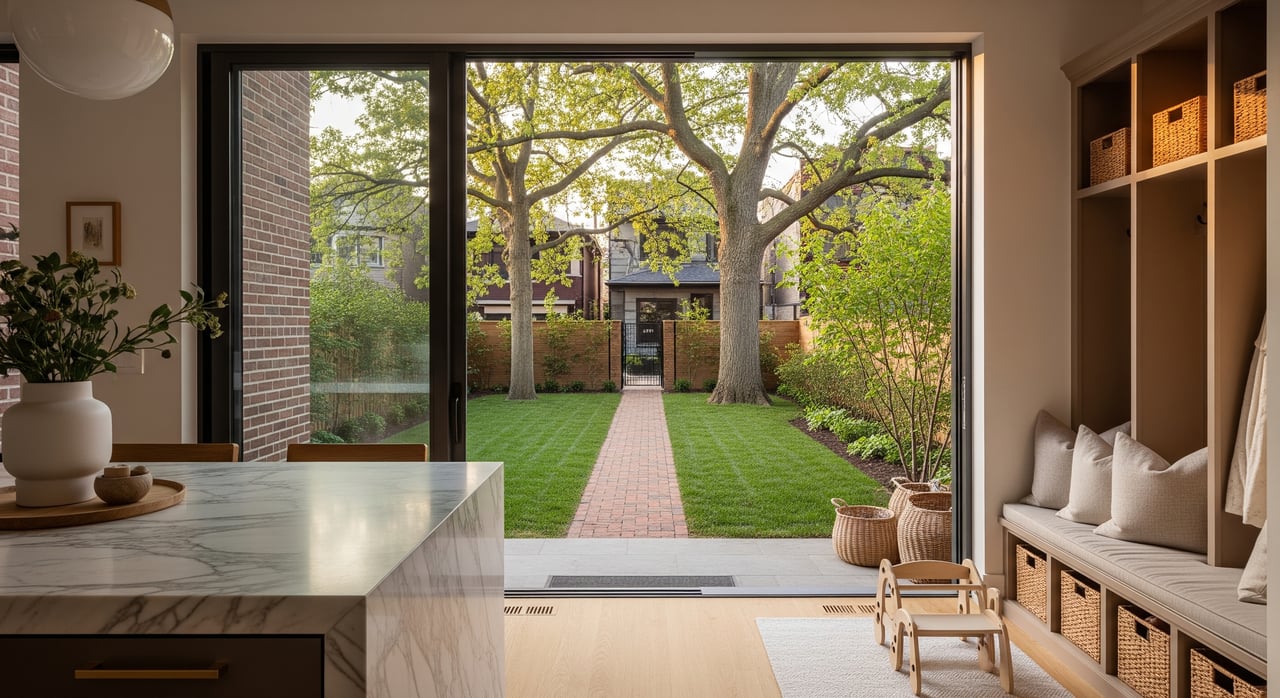
Recent national research shows buyers value move‑in‑ready condition and neighborhood quality. Updated kitchens and baths, efficient use of space, outdoor living, and reliable systems rank high on must‑have lists. Industry trend reports also highlight practical design over size, such as smarter kitchens, improved lighting, and usable laundry or mudroom zones. For background, see the latest NAR buyer profile and design trend coverage from the National Association of Home Builders community and trade media (NAR buyer highlights, top design trends).
Your prioritized update plan
Start with low‑to‑medium cost improvements that boost first impressions, reduce buyer risk, and photograph beautifully. Match your scope to recent local comps before you spend.
- Curb appeal and first impressions
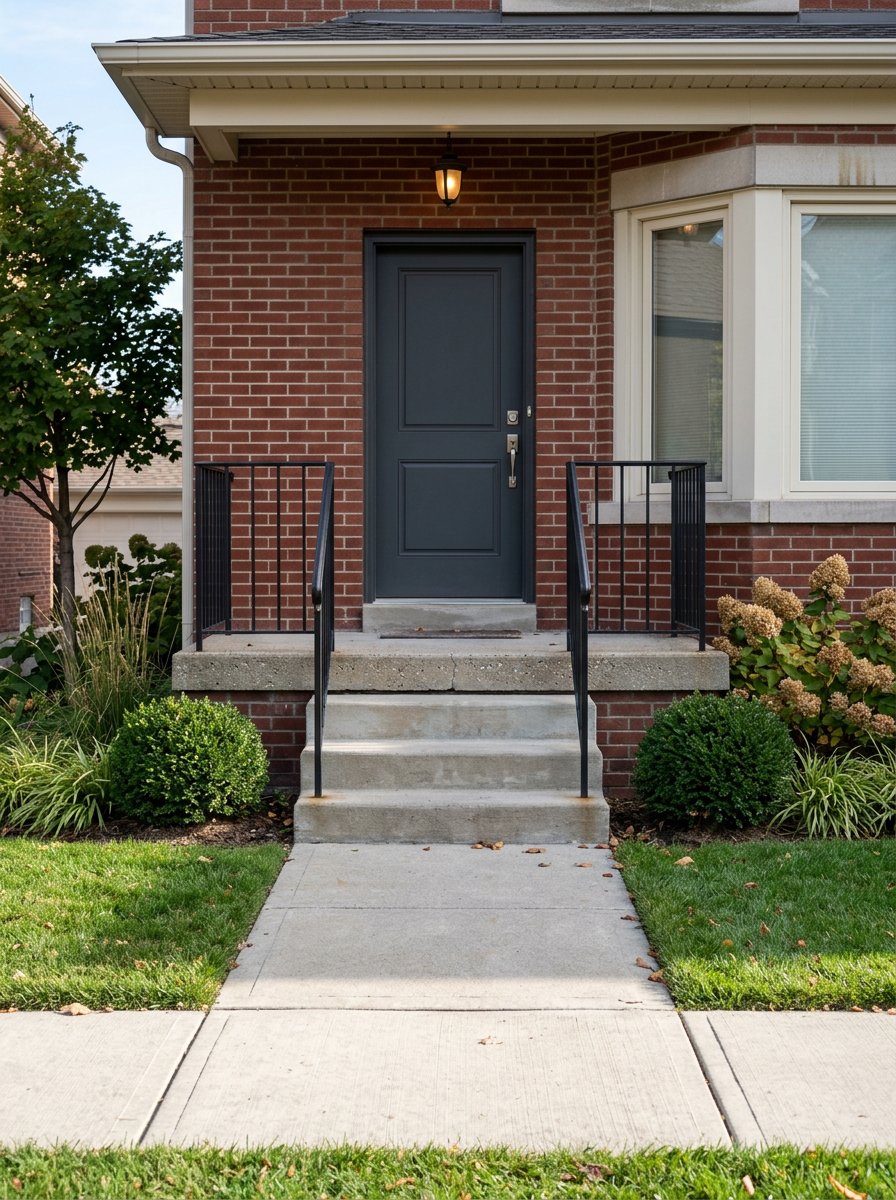
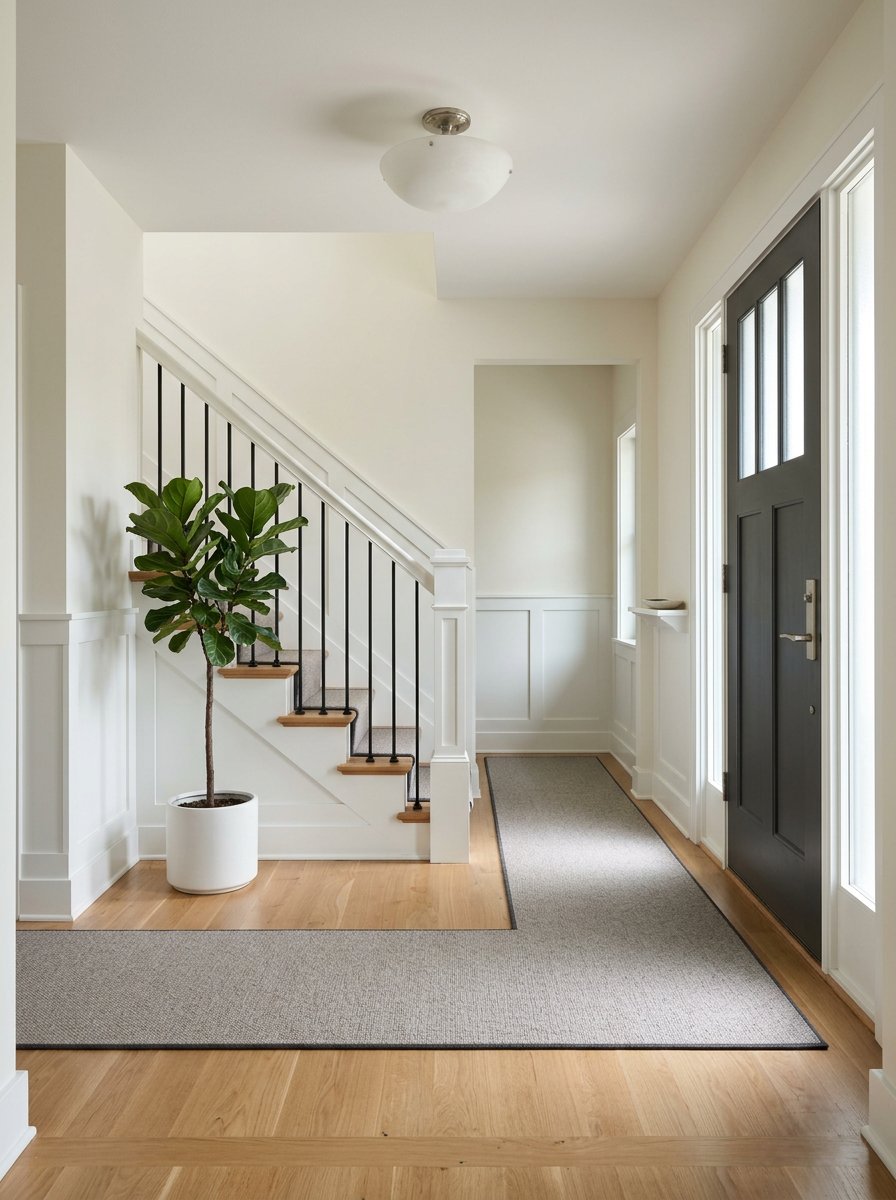
- What to do: Clean or repair porch and railings, refinish or replace front and garage doors, power‑wash, touch up exterior paint, update landscaping and house numbers, add modern lighting.
- Why it matters: Exterior projects consistently lead return‑on‑investment rankings and shape buyer perception from the first photo. See national benchmarks at Cost vs. Value.
- Cost/ROI note: A typical garage door replacement averages about $4,700 nationally and has one of the strongest recoup rates in the 2025 report.
- Declutter, neutral paint, and quick fixes
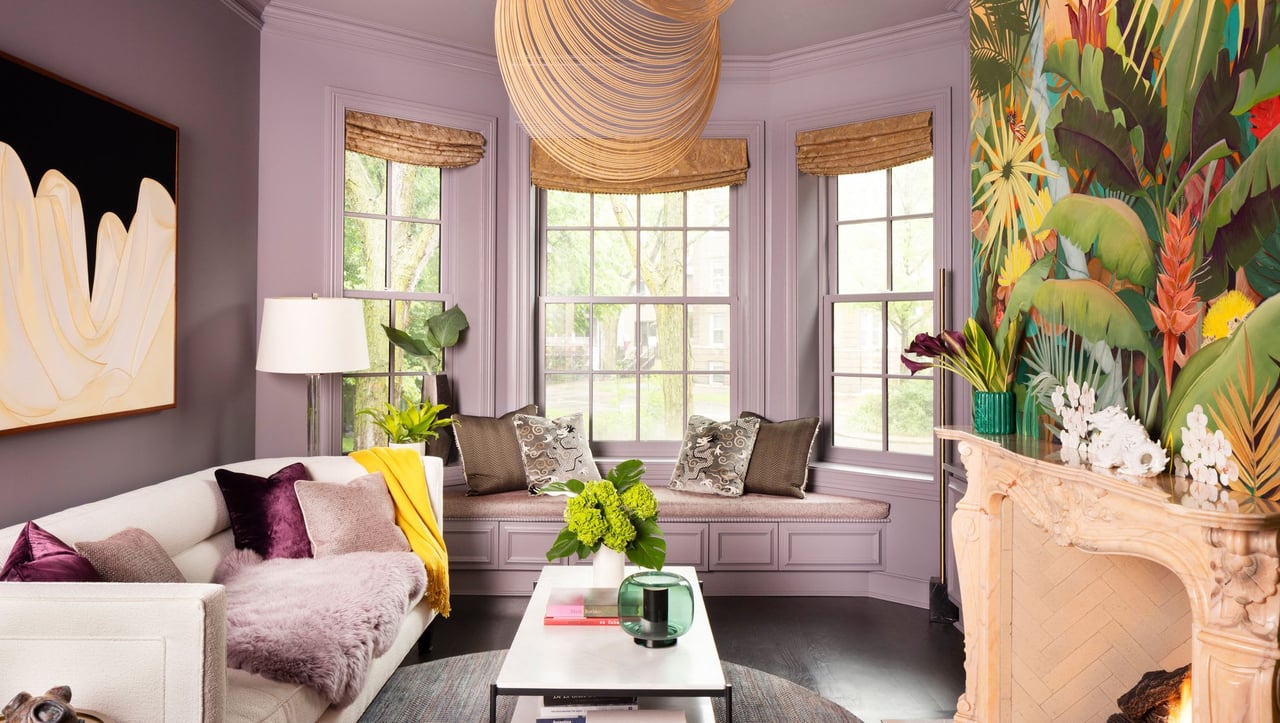
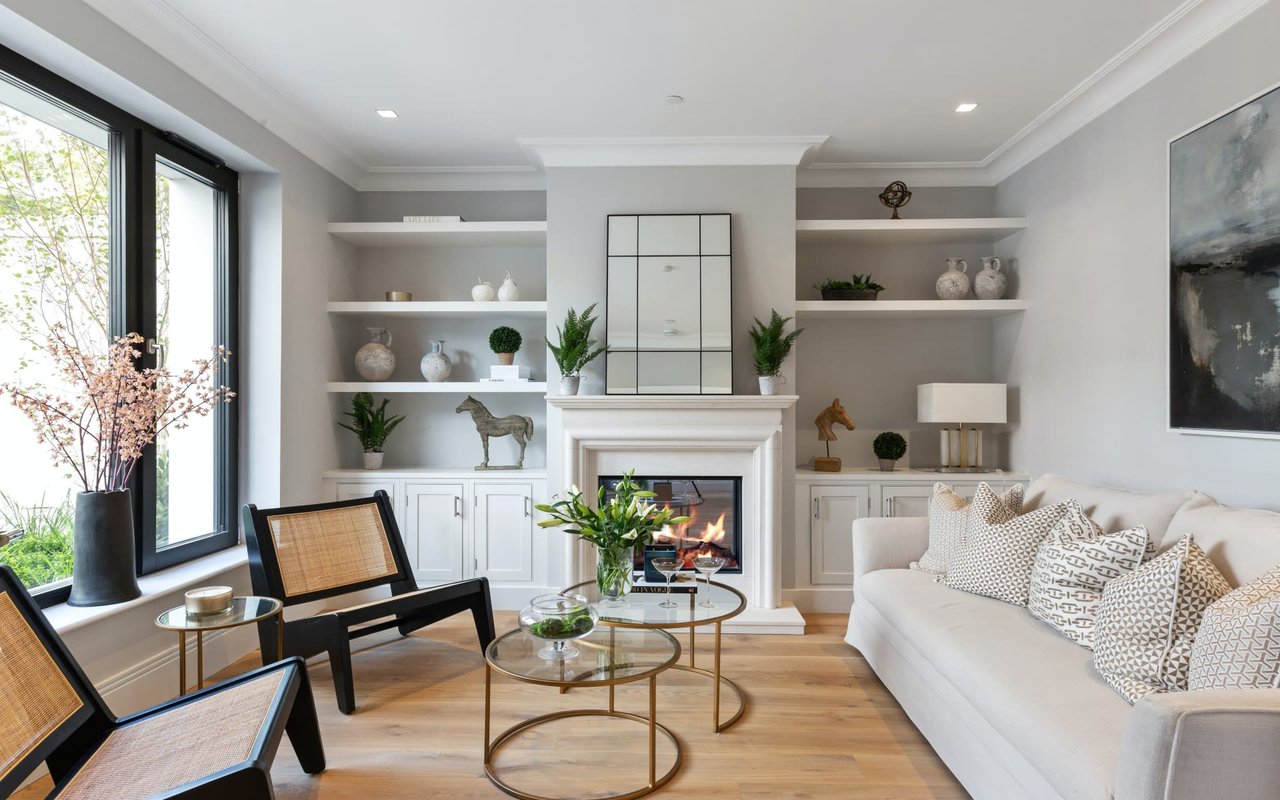
- What to do: Declutter and deep clean, choose a light neutral paint palette, refresh grout and caulk, tighten up lighting with bright, color‑accurate bulbs, and steam carpets where needed.
- Why it matters: These low‑cost steps make rooms read as move‑in ready and improve photos. Staging research shows better presentation often shortens time on market and can lift offers. See the NAR home staging profile.
- Cost/ROI note: Most homes feel fresh with paint and lighting alone, which is why many sellers start here.
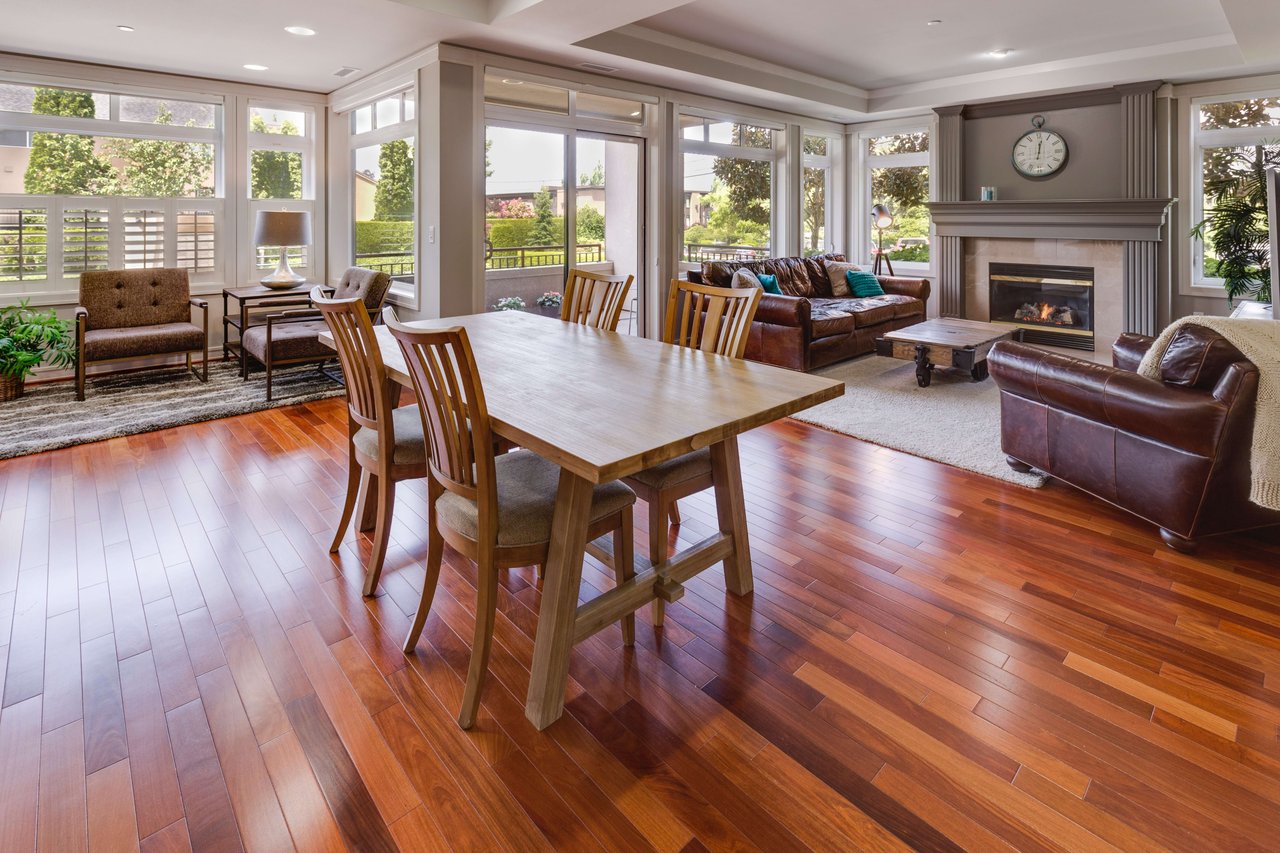
- Refinish floors and pursue a minor kitchen remodel
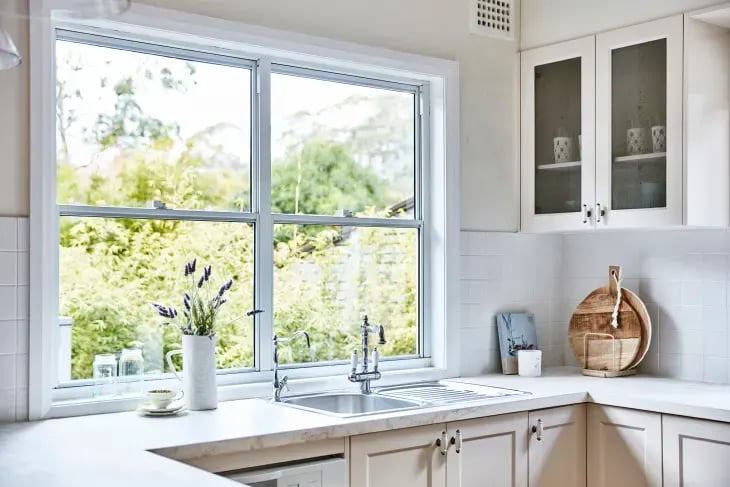
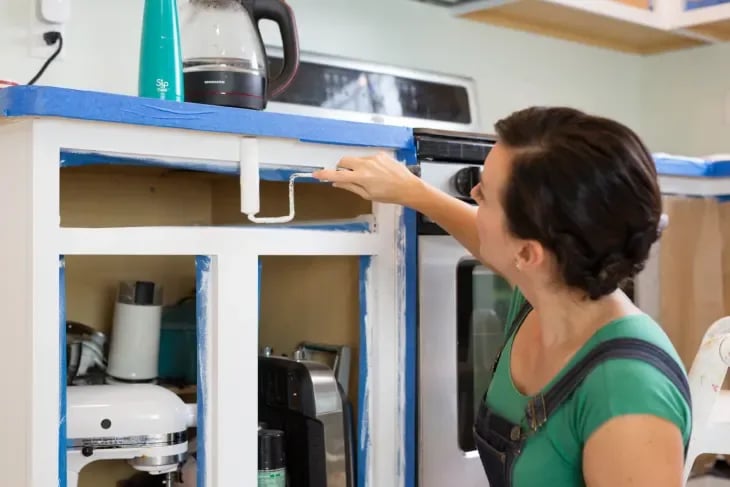
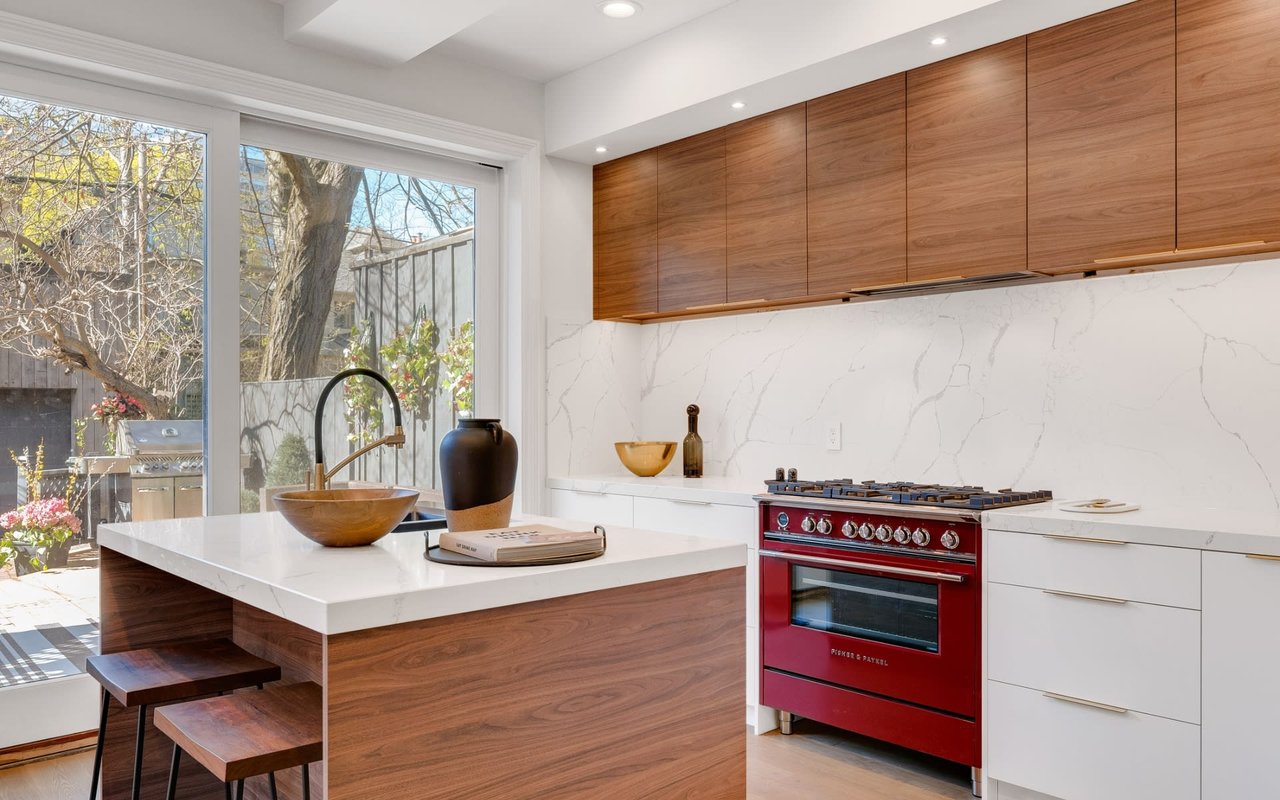
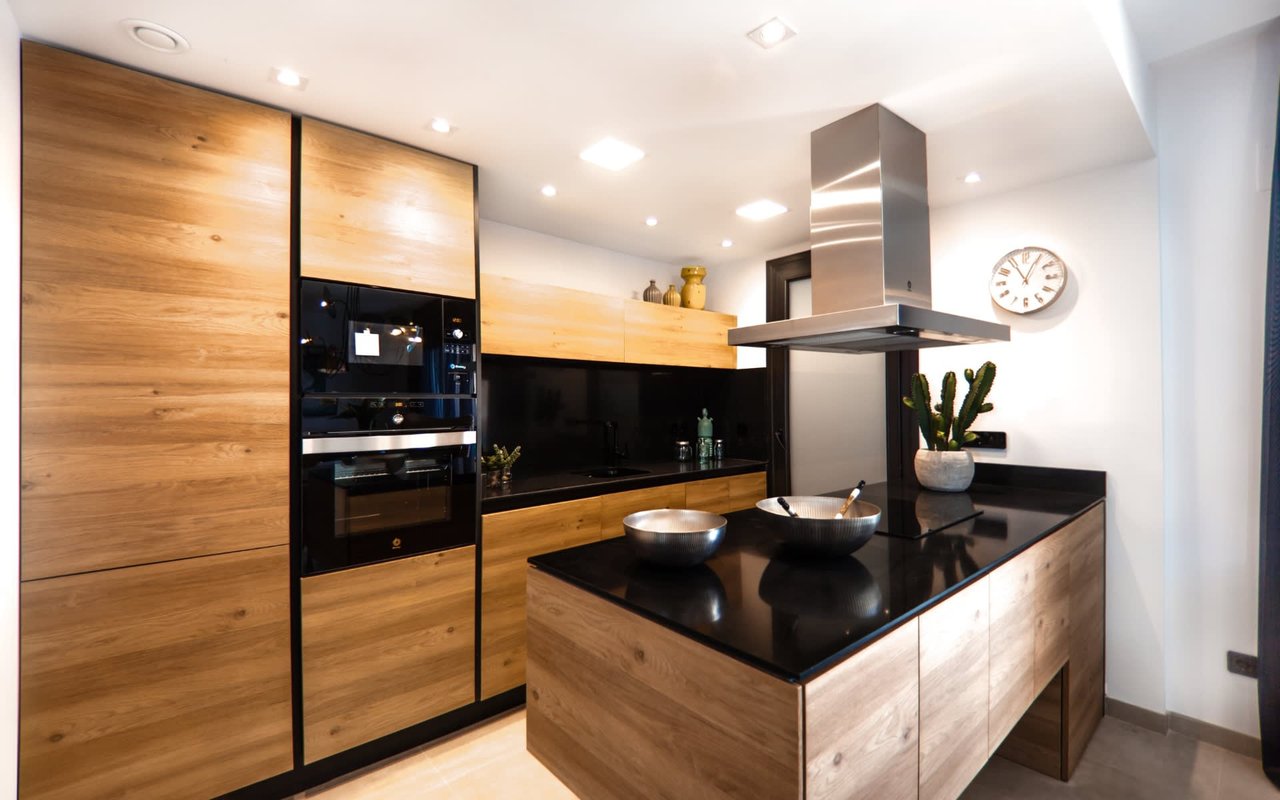
- What to do: Refinish original hardwoods rather than replace. In the kitchen, consider a “minor” scope: cabinet paint or refacing, midrange counters, new hardware, updated backsplash, modern lighting, and midrange appliances.
- Why it matters: Buyers in Norwood Park expect functional, updated kitchens without luxury overspend. National data shows a midrange minor kitchen remodel delivers one of the better interior recoup rates. See Cost vs. Value.
- Cost/ROI note: The 2025 report pegs a midrange minor kitchen around $28k on average with strong recoup potential. Scale to your home and comps.
- Refresh key baths and address system risks
- What to do: Focus on the primary bath first. Replace a dated vanity and fixtures, repair tile and grout, and improve ventilation. Service or replace aging HVAC and water heaters as needed, fix roof leaks, and resolve window or flashing issues. Mitigate any basement moisture before listing.
- Why it matters: Buyers discount homes that suggest immediate system spend or moisture risk. Midrange bath projects deliver solid recoup, and clean inspection reports protect your price. Review benchmarks at Cost vs. Value.
- Cost/ROI note: A midrange bath remodel averages about $26k nationally with roughly 80% recoup in 2025.
- Preserve character where it counts
- What to do: In and near the Norwood Park Historical District, repair original porch elements and trim, and choose historically sympathetic window profiles if replacement is necessary. When possible, repair and weatherstrip original windows before full replacement.
- Why it matters: Many buyers prize authentic exterior details. Sensitive updates help your home feel true to the neighborhood’s story. Explore the Norwood Park Historical District.
Staging and photography that sell
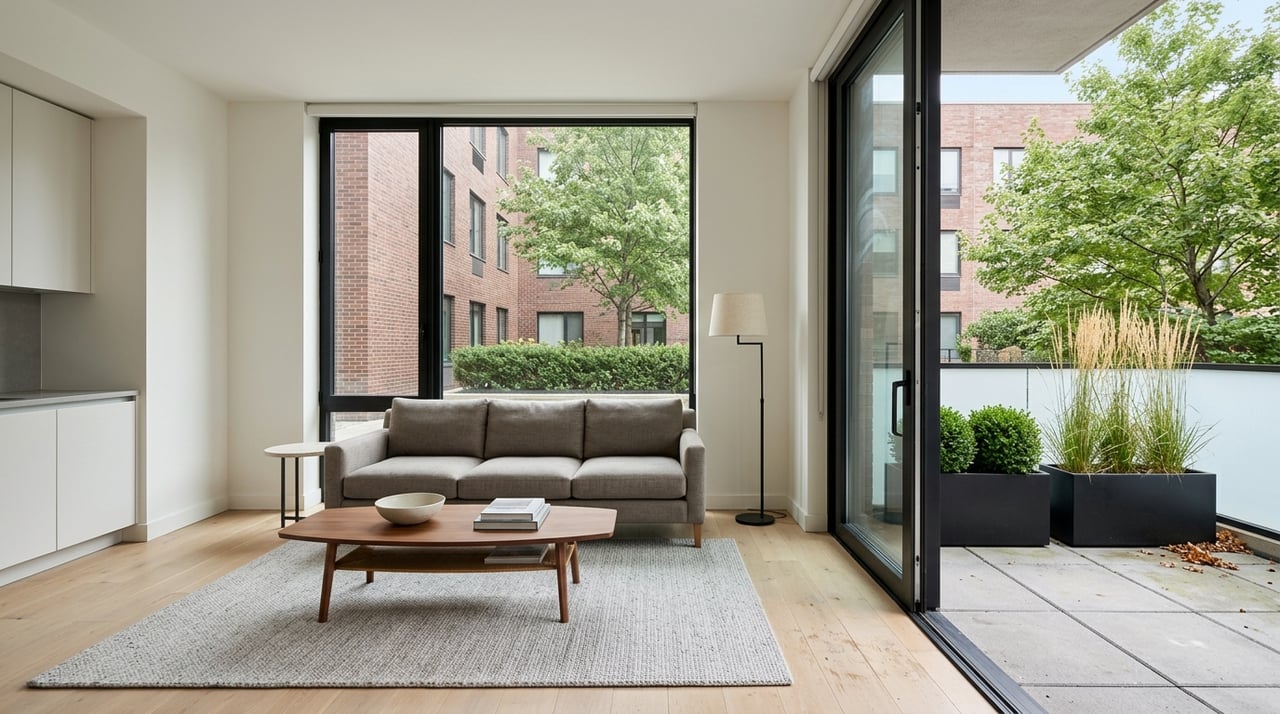
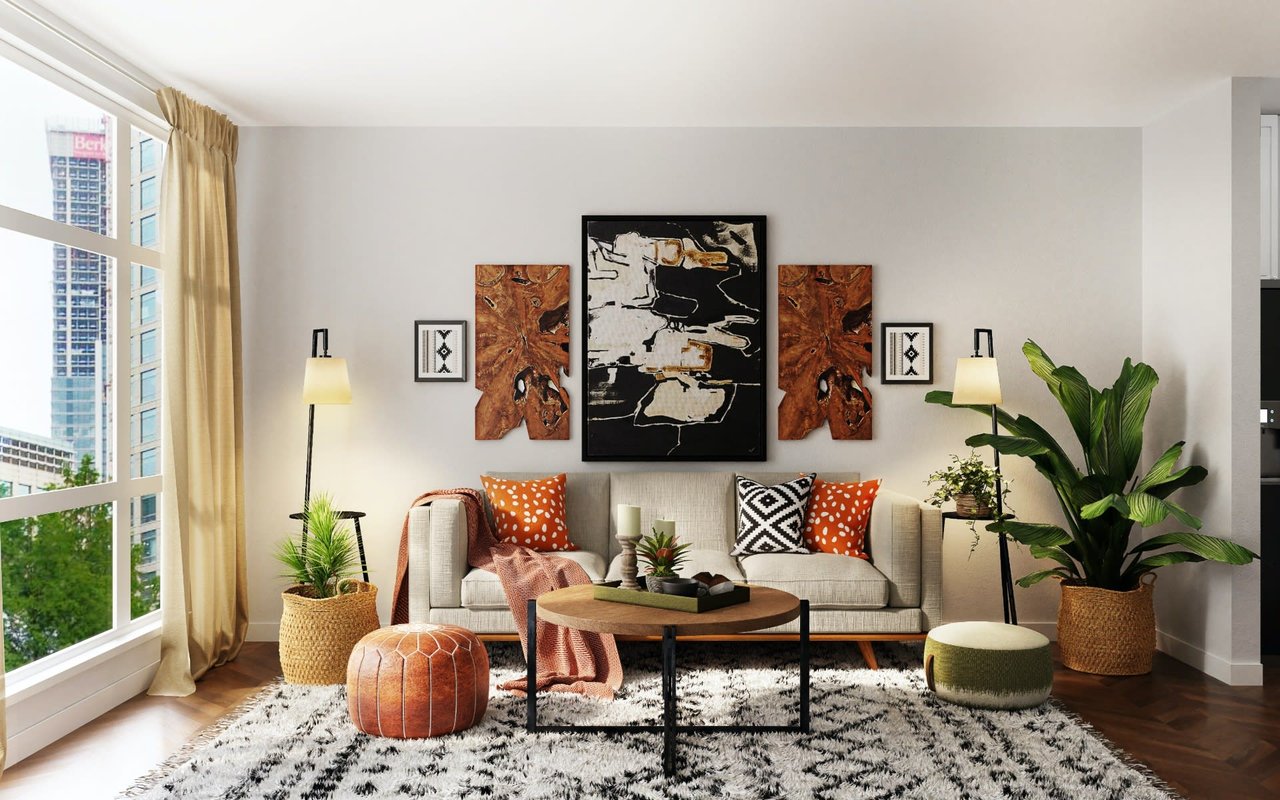
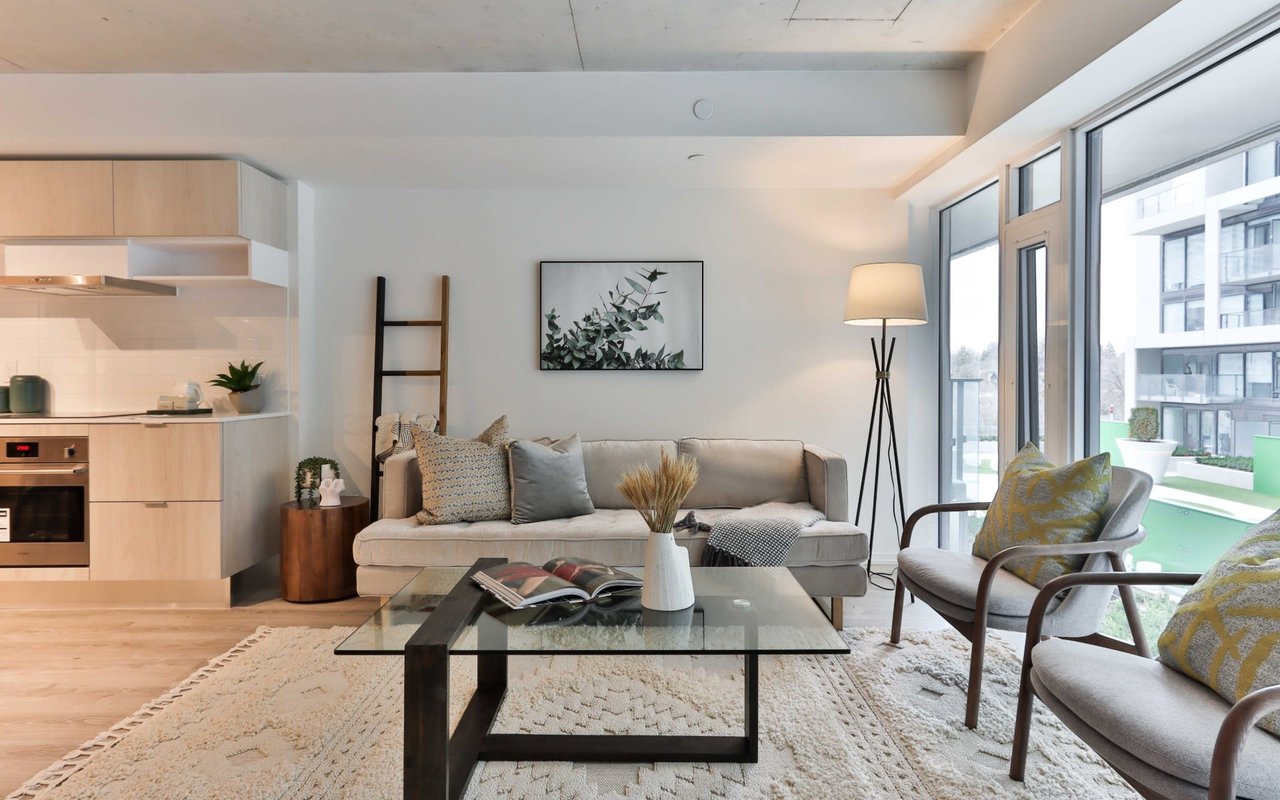
Staging helps buyers imagine life in your home, which often speeds up offers and can increase the offer price. NAR’s staging study reports agents frequently see a 1% to 10% lift in offered price, along with reduced days on market. Prioritize the living room, kitchen, and primary bedroom, then add rooms as budget allows. Review the NAR home staging profile for national findings.
For a typical Norwood Park single‑family home, expect staging budgets to range from about $1,000 to $4,000 depending on scope and rental duration. Consumer cost aggregators show similar ranges for partial or multi‑room staging; see an example breakdown here (typical staging costs). Pair staging with professional photography to maximize your cover image, thumbnails, and video tour.
Historic and permit checks in Old Norwood
If your property sits inside or near the City‑recognized Norwood Park Historical District, certain exterior changes may require review or a Certificate of Appropriateness. Items like visible siding, window changes, additions, and prominent porch work commonly trigger extra steps. Confirm your address and talk with the Commission on Chicago Landmarks staff before you start exterior work. A quick neighborhood background is here: Norwood Park, Chicago.
For any Chicago home, structural changes and most mechanical, plumbing, electrical, roofing, porch, sewer, and some window projects require permits. Timelines vary by scope. If you plan to complete work before listing, consult the Chicago Department of Buildings or a permit expediter early so your launch date stays on track.
Lead paint disclosure for pre‑1978 homes
If your home was built before 1978, federal rules require you to give buyers the EPA/HUD lead information pamphlet, disclose known lead‑based paint, and allow a 10‑day inspection period if requested. Renovation work that disturbs painted surfaces must follow EPA lead‑safe practices. Details are in the official HUD lead information kit.
How concierge listing help works
Concierge‑style listing support coordinates pre‑sale work like painting, flooring, minor kitchen and bath refreshes, landscaping, repairs, and staging under one plan. Some third‑party programs even front approved costs and get repaid at closing, which can be useful if cash is tight or you prefer one point of contact. One example is Compass Concierge, which outlines a broad range of home‑prep services and repayment terms.
- What you get: A scoped plan tied to comps, vendor coordination, schedule management, and a clean launch for photos, Coming Soon, and MLS.
- Why it helps in Norwood Park: Older homes often need a blend of cosmetic refresh and risk‑reduction. Coordinated work avoids missteps, like replacing historic elements with out‑of‑character choices.
Typical pre‑listing timeline
- 1 to 2 weeks: Decluttering, paint, cleaning, lighting swaps, and staging prep.
- 2 to 6 weeks: Minor kitchen or bath refresh, depending on contractor availability and materials.
- 1 to 8+ weeks: Exterior items that may require permits or historic review.
Build a 30 to 90 day window into your plan if you want work completed before photos. Your exact timeline depends on scope, permits, and contractor scheduling.
Bring it all together
Focus your budget where buyers feel it most: curb appeal, clean interiors, a refreshed kitchen and primary bath, and any obvious system fixes. Protect historic character in visible places, follow local permit rules, and use staging and professional media to tell a clear, move‑in‑ready story. If you want a tailored plan, neighborhood‑specific comps, and coordinated execution, our team is here to help.
Ready to talk strategy for your Norwood Park sale? Request a complimentary home valuation from Nicole Hajdu and get a clear, step‑by‑step plan for your timeline and budget.
FAQs
What updates give the best ROI for a Norwood Park sale?
- Exterior improvements that boost curb appeal, low‑cost paint and decluttering, and a minor kitchen refresh typically deliver strong value, supported by national Cost vs. Value data.
Do I need permits for exterior work in Old Norwood?
- Many exterior changes, including visible siding, windows, additions, and porch projects, can require permits or historic review; confirm your address and coordinate with Chicago Landmarks staff before starting.
How does staging impact sale price and speed?
- NAR research shows staging often shortens time on market and, in some cases, increases offers by 1% to 10%, especially when key rooms are staged; see the NAR staging report.
What is a concierge listing program and who pays?
- It’s a coordinated home‑prep service that can manage and, in some programs, front approved costs for updates and staging, with repayment at closing; review terms like with Compass Concierge.
How long should I plan to prep before listing in Norwood Park?
- Allow 30 to 90 days for common pre‑listing work: 1 to 2 weeks for paint/declutter, 2 to 6 weeks for minor kitchen or bath refresh, and longer if permits or historic review are needed.
What should I disclose about lead paint in pre‑1978 homes?
- Provide buyers with the EPA/HUD pamphlet, disclose known lead information, and allow a 10‑day inspection window if requested; see the official HUD guide for details.