Buying your first home in Jefferson Park can feel exciting and a little overwhelming. You want enough space, a fair price, and an easy commute, but you also want to avoid costly surprises. This guide gives you a clear path from pre-approval to closing, with local tips on property types, taxes, inspections, and financing help. By the end, you will know how to move forward with confidence in this Northwest Side neighborhood. Let’s dive in.
Jefferson Park market snapshot
Prices and pace
Median pricing varies by source, which is normal since each tracks different data. Recent snapshots show a range of roughly 380,000 to 455,000. Redfin reported a median sale price near 455,000 in Jan 2026, Realtor.com listed about 439,800 in Dec 2025, and Zillow’s broader index was near 380,091 through Jan 2026. Days on market often run about 40 to 60 days, so well-priced homes can move quickly.
Rents vs. buying
Recent trackers show many Jefferson Park renters pay around 2,000 to 2,200 per month. If you plan to stay for several years, a starter condo, bungalow, or two-flat can help you stabilize your housing costs while building equity. Your lender and agent can help you compare monthly ownership costs with your current rent.
Transit advantage
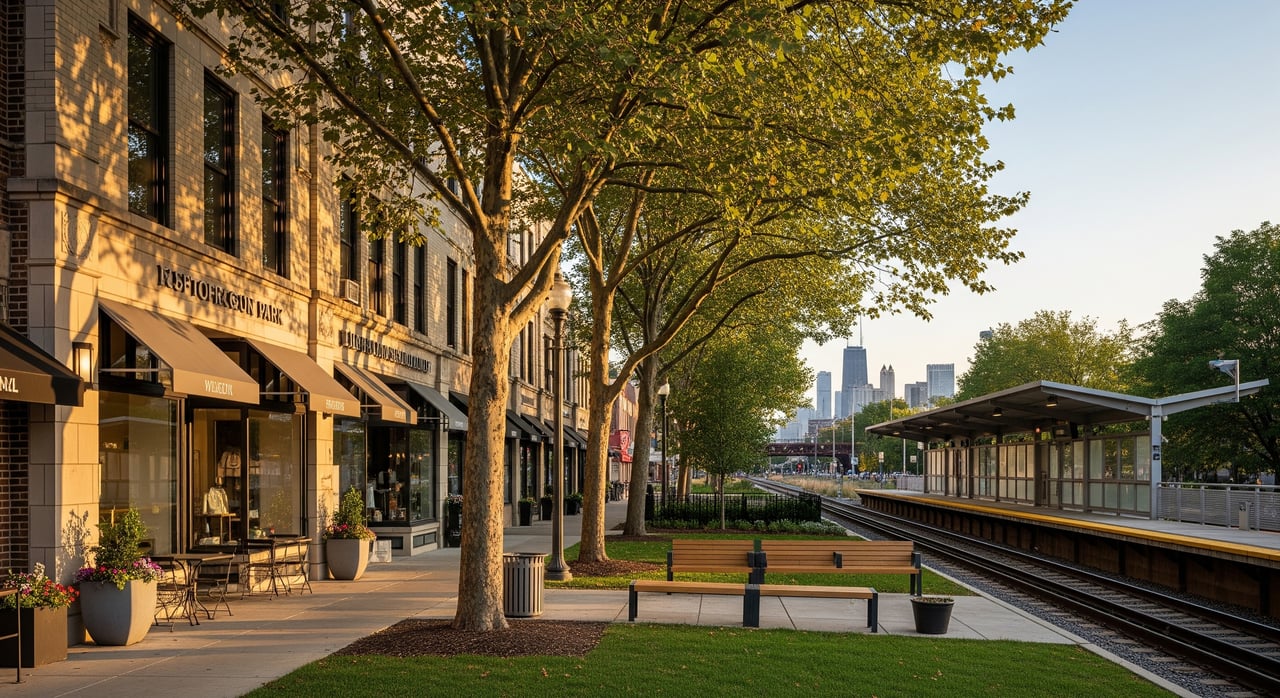
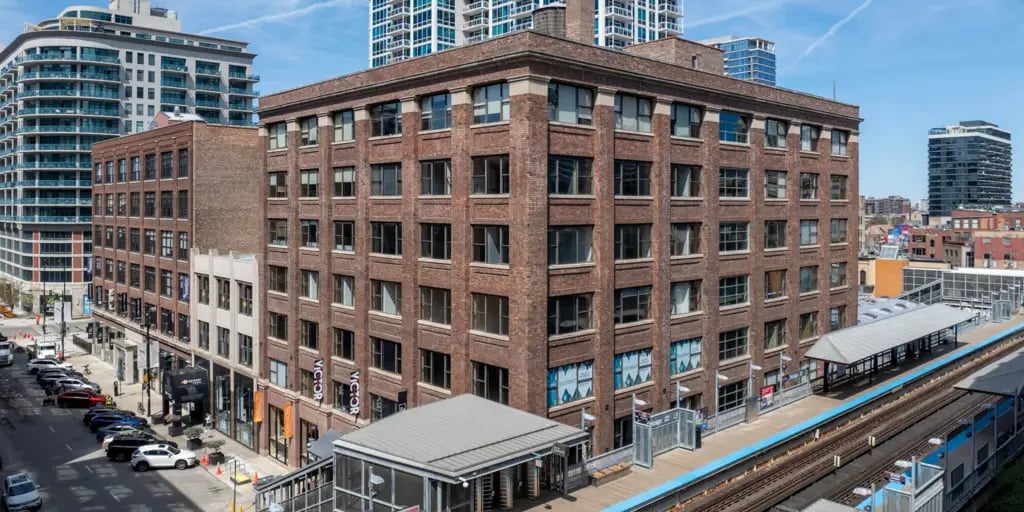
Jefferson Park is a CTA Blue Line and Metra hub at the Jefferson Park Transit Center. Easy access to the Loop and O’Hare supports year-round demand and often helps resale value. Learn more about the station and lines on the CTA resource page for Jefferson Park.
Step-by-step first-time buyer roadmap
1) Get fully pre-approved
Ask your lender for a full pre-approval, not just a pre-qualification. A pre-approval helps you set a realistic price range and makes your offer stronger. If you plan to use down payment assistance, choose a participating lender early and complete any required education. Review first-time buyer definitions and requirements on the IHDA FAQs.
2) Build your budget beyond the down payment
Plan for cash-to-close items like appraisal, inspection, title, recording fees, prepaid taxes and insurance, and transfer taxes. In Chicago, layered state, county, and city transfer taxes can be significant. Ask your lender and title company for a detailed estimate early and again before closing.
3) Tour smart: compare home types
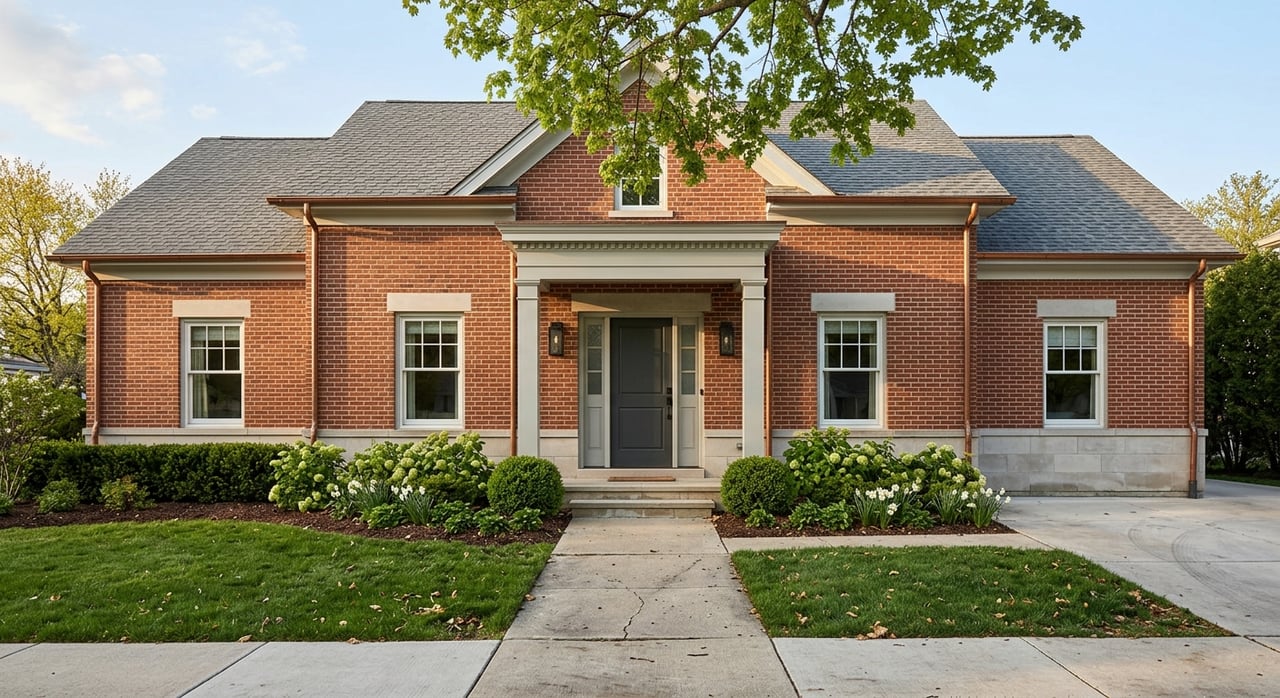
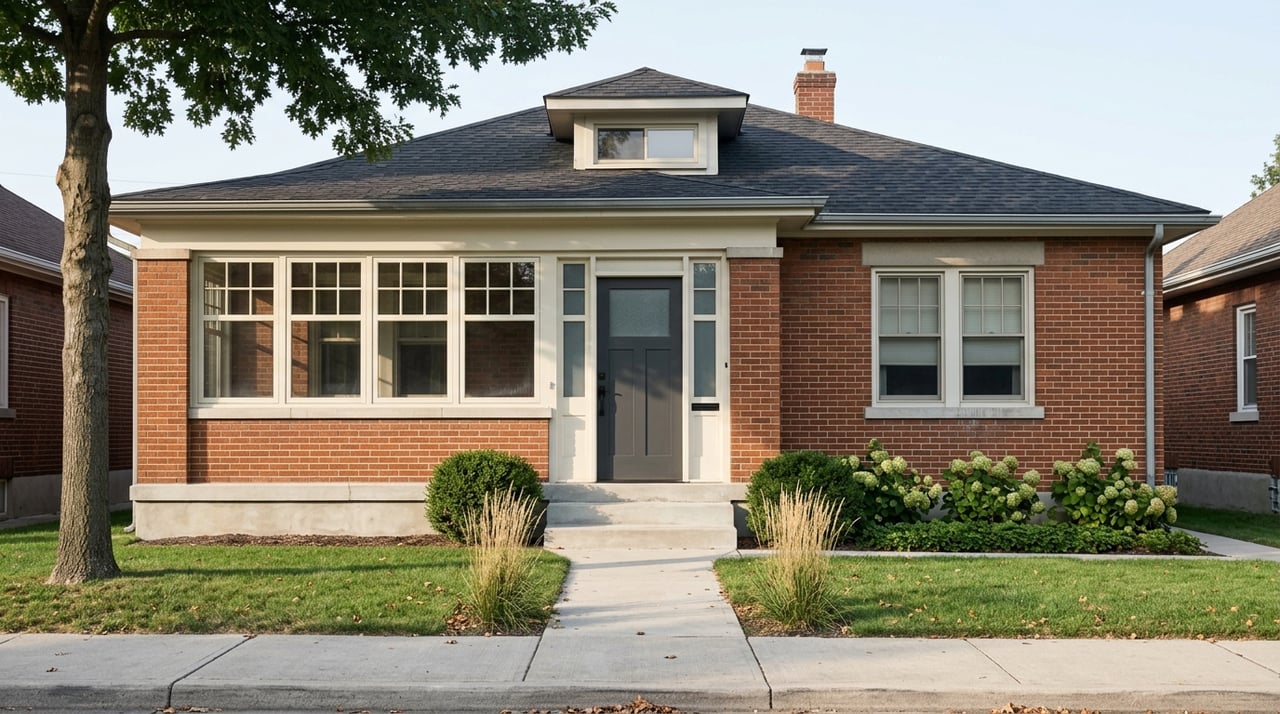
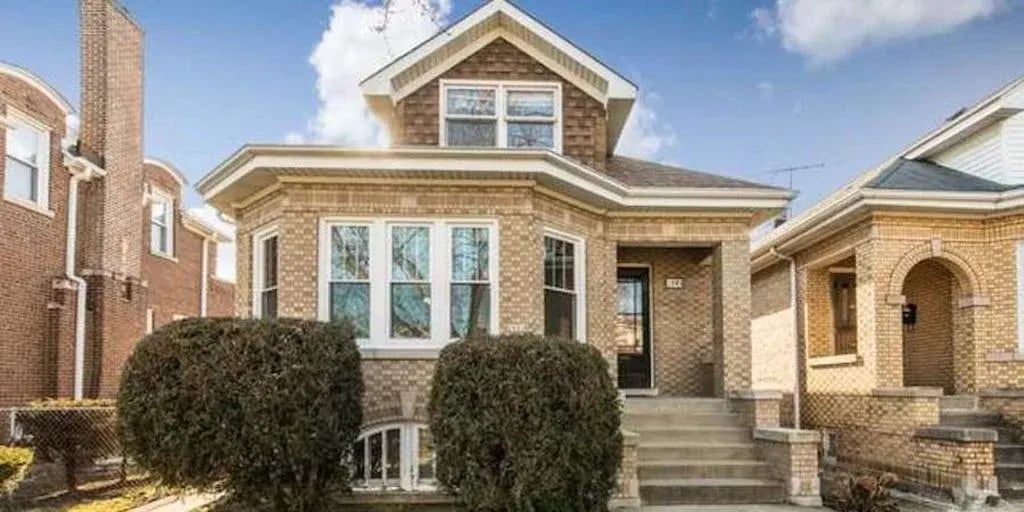
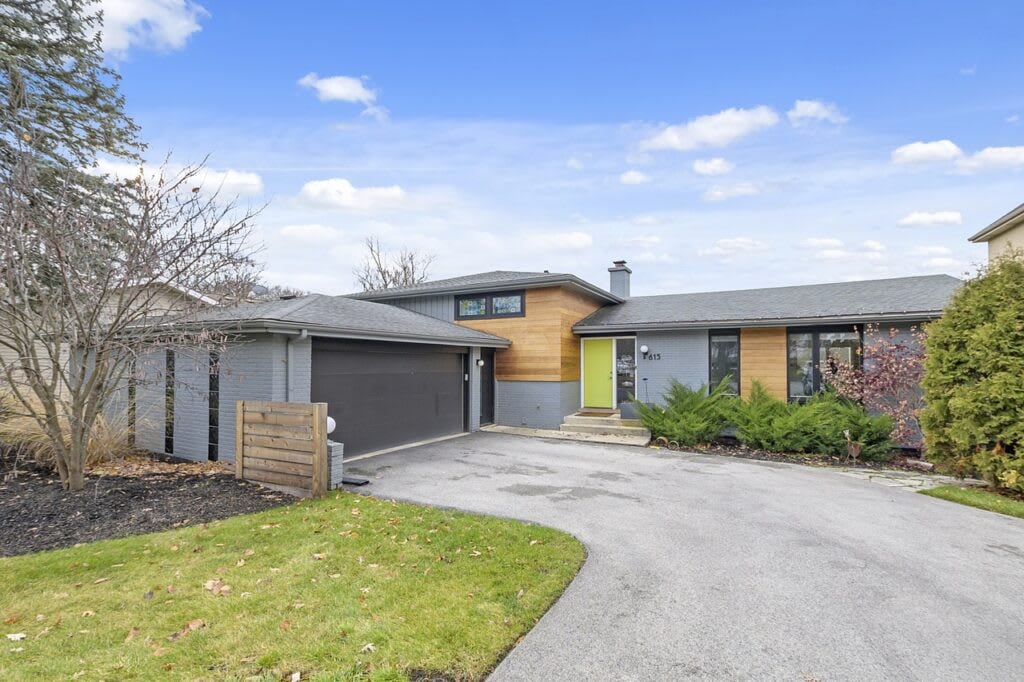
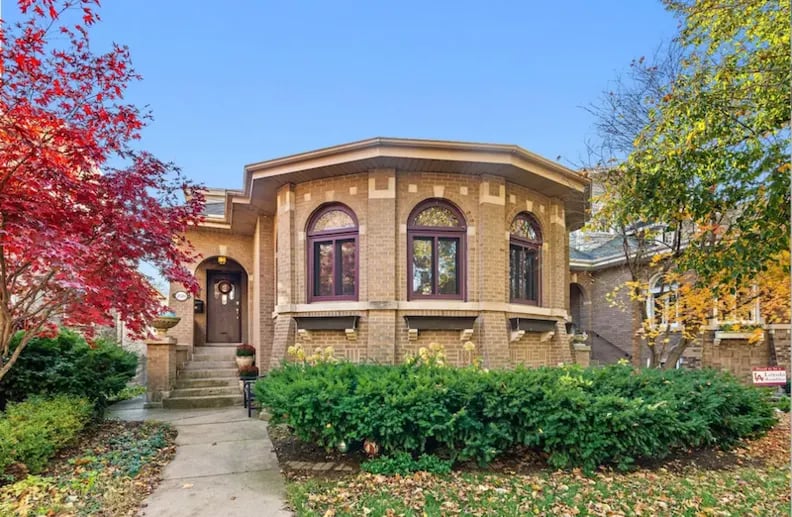
- Bungalows and single-family homes offer yards, parking, and long-term appeal. Expect older systems and higher maintenance.
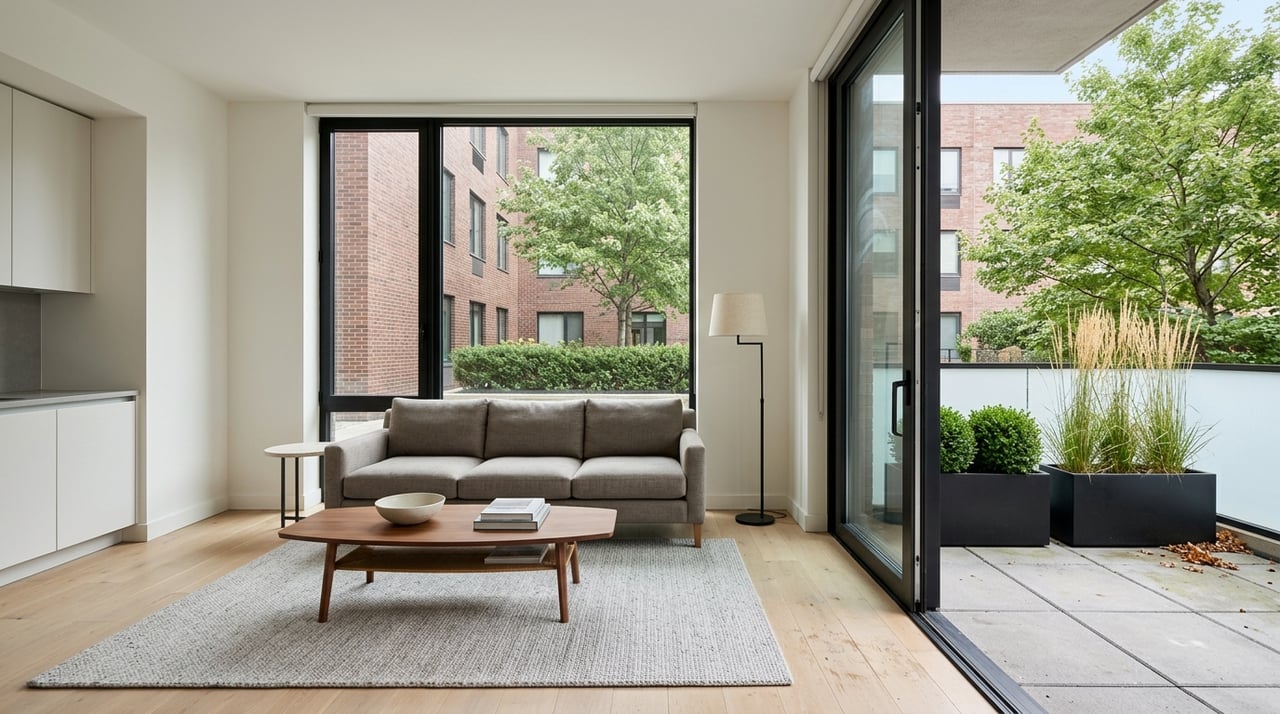
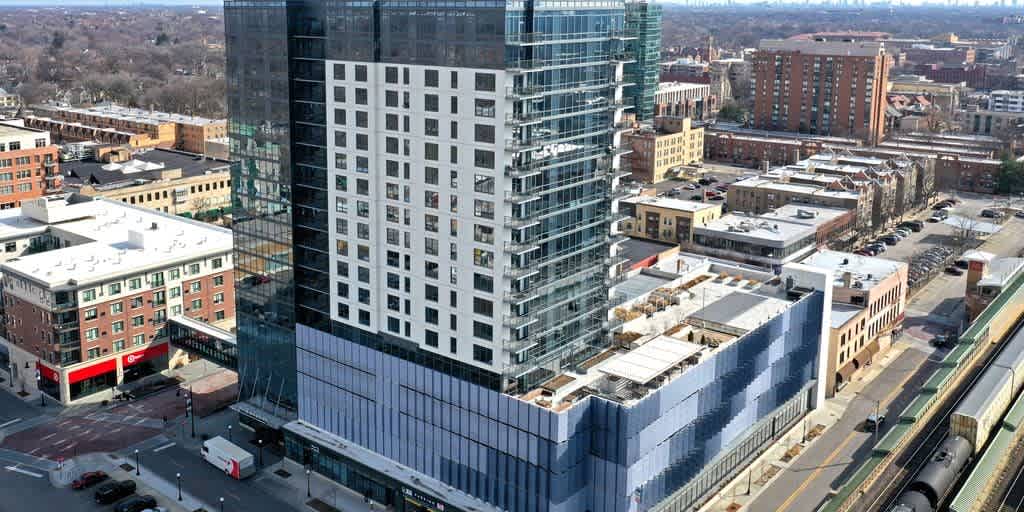
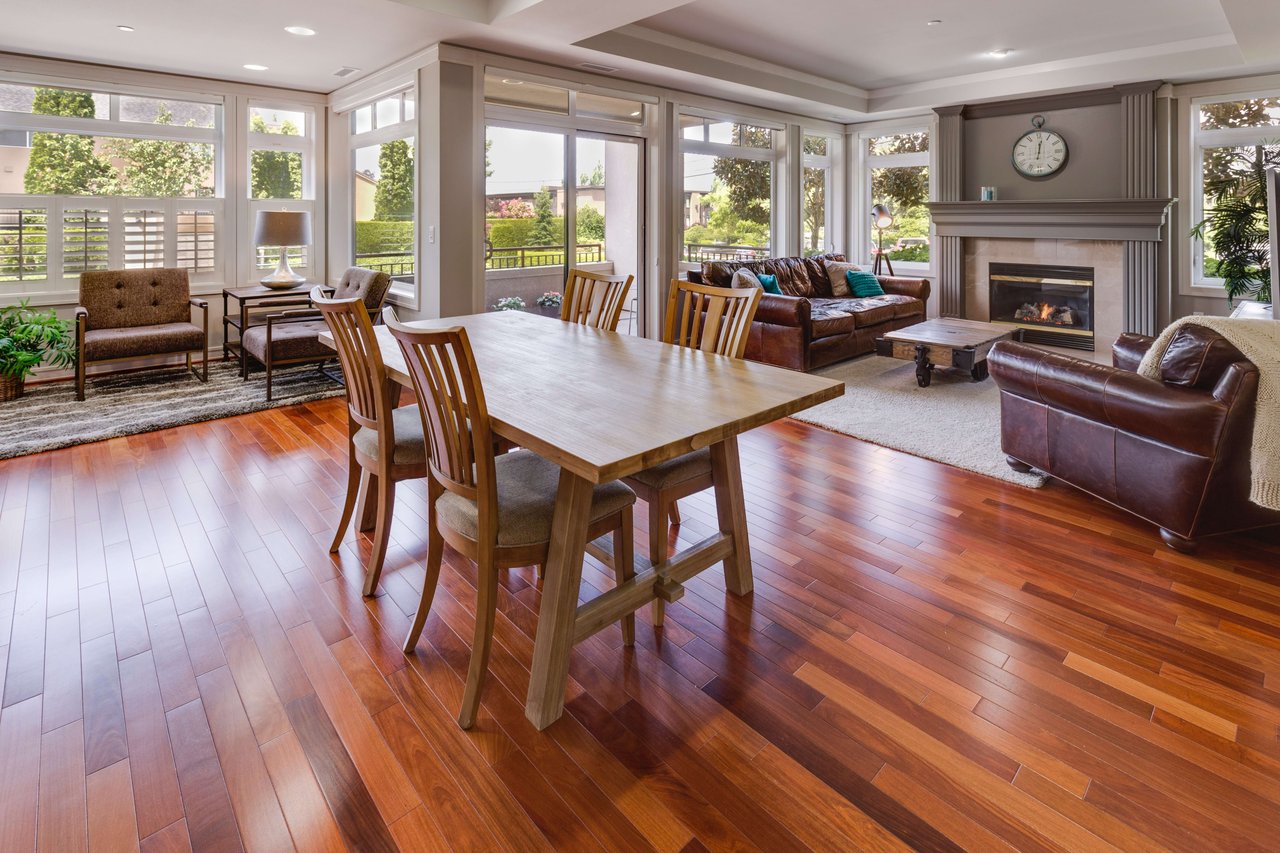
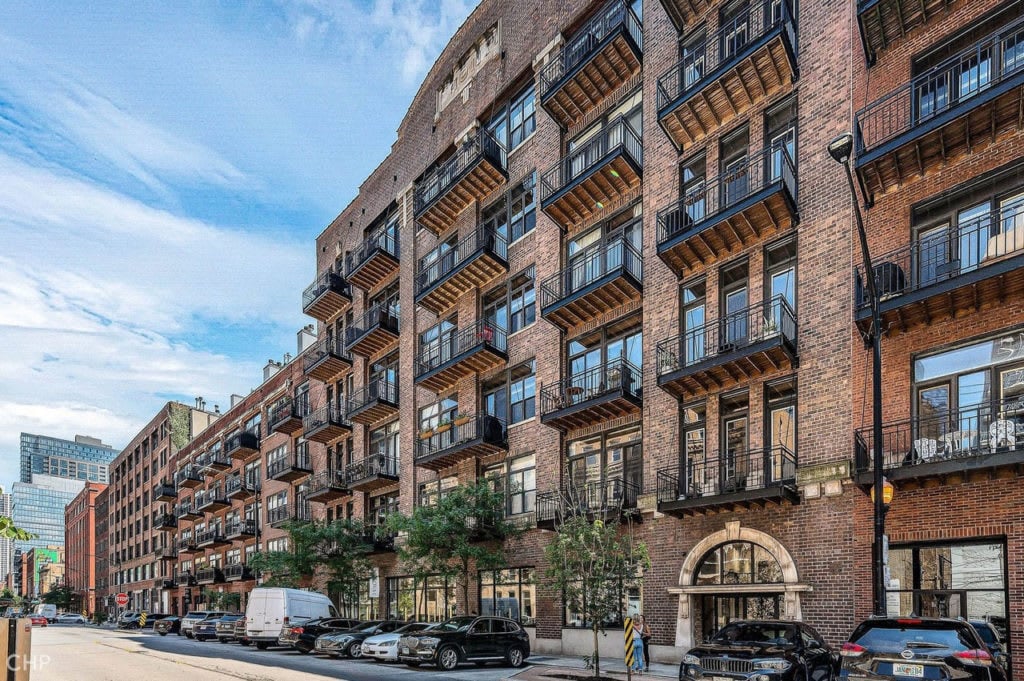
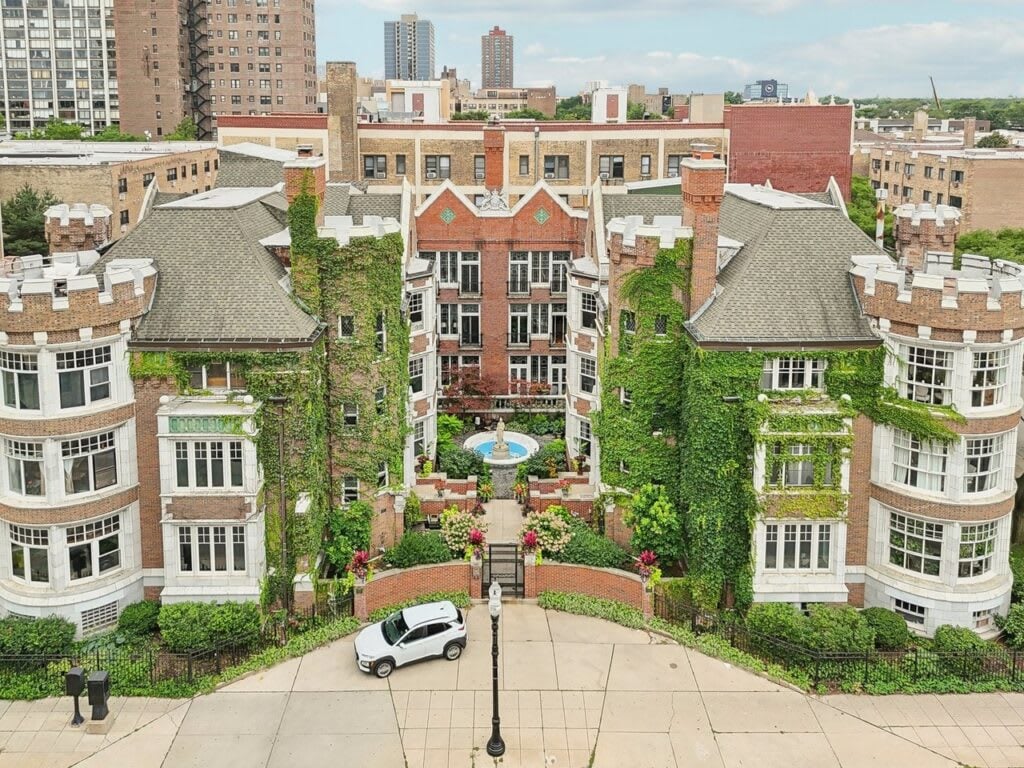
- Condos can be a lower entry price with predictable HOA dues. Review reserves, budgets, and any litigation, and confirm if the building is FHA or VA warrantable. See general FHA guidance on HUD’s site.
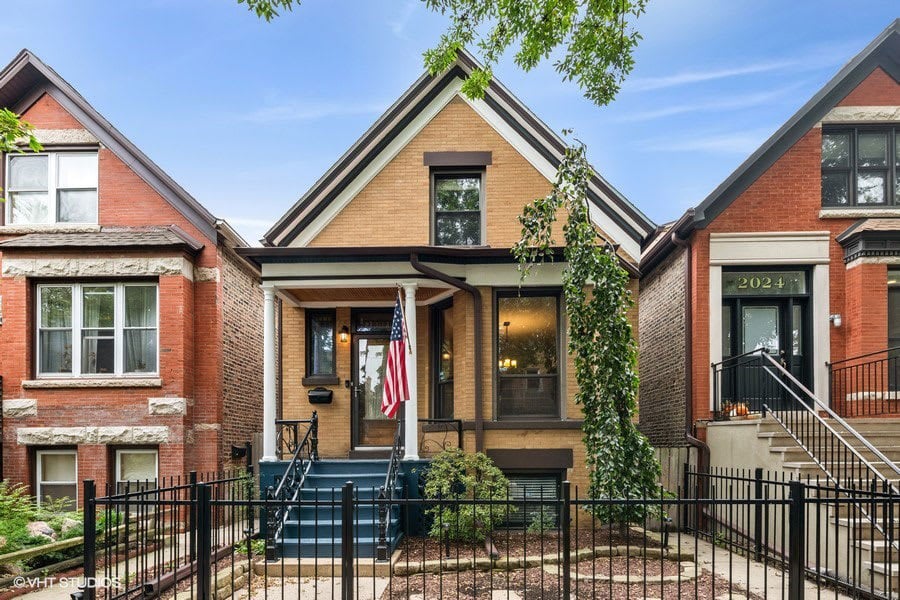
- Two-flats let you live in one unit and rent the other for income. Lenders typically allow FHA or conventional if you will occupy one unit, but they will review leases and rental assumptions.
4) Make a strong, safe offer
Include an inspection contingency and be ready to move fast on deadlines. Keep an appraisal contingency if you are financing. For condos, request HOA documents and a resale ledger early so your lender can underwrite the building efficiently.
5) Inspect and verify
Order a general home inspection plus key add-ons common in Chicago. A sewer scope and a radon test are smart for many homes, and you should consider lead-based paint risks in homes built before 1978. See the EPA’s radon guidance and action levels on the EPA radon page, and the federal lead disclosure rules in the EPA/HUD lead brochure. Ask your agent to help you check permit history and past work using City tools and seller disclosures.
6) Close with clarity
Expect separate transfer-tax line items for Illinois, Cook County, and the City of Chicago. Your title company calculates and pays these, but you should still confirm your buyer portion before signing. Learn how Illinois transfer tax filings work in the PTAX-203 instructions, and review the City’s structure at the Civic Federation overview.
Property types: pros and cons
Bungalow or single-family
- Pros: yard and private outdoor space, strong family appeal, more likely to include parking.
- Cons: older roofs, HVAC, and plumbing are common. You may need tuckpointing, foundation, or electrical updates over time.
Condo
- Pros: lower entry price in many cases, exterior maintenance handled by the association, predictable HOA dues.
- Cons: monthly fees, possible restrictions on rentals, and financing limits if the building is not FHA or VA warrantable. Review reserves, budgets, owner-occupancy levels, and any litigation. Check general FHA condo information on HUD’s site.
Two-flat or small multi-unit
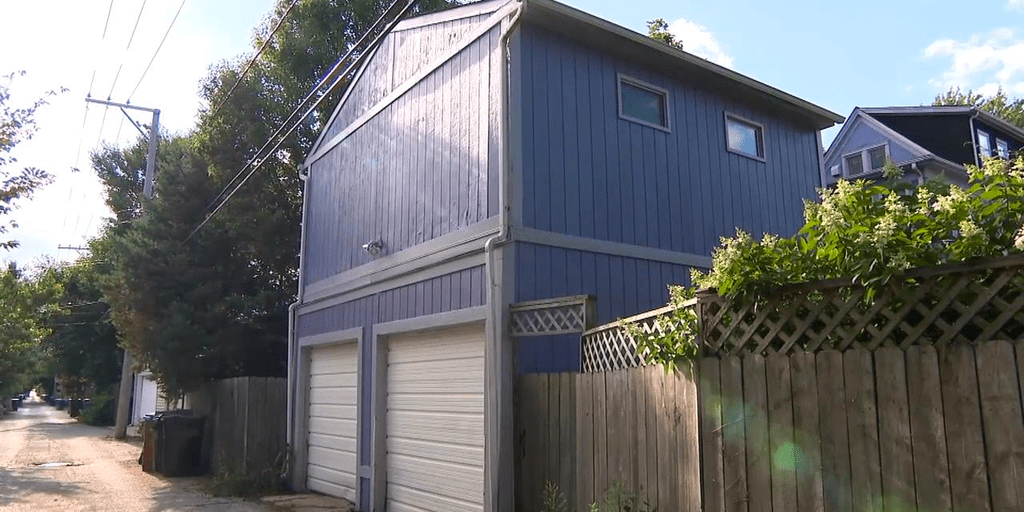
- Pros: potential to offset your mortgage with rental income while you live in one unit. Common and financeable in Chicago.
- Cons: landlord responsibilities, separate utilities and egress to verify, and zoning or registration steps if you will rent a unit. Your lender may count only a portion of projected rent for qualifying.
Local taxes and closing costs
Transfer taxes in Chicago
Chicago buyers and sellers typically pay layered transfer taxes at closing. The combined impact of state, county, and city charges often totals around 1.2 percent of the sale price, split by local custom and your contract terms. For example, on a 400,000 purchase, the buyer’s Chicago portion is commonly about 0.75 percent, or roughly 3,000. Confirm your exact figure with your title company. For reference, see the Civic Federation’s Chicago transfer tax overview and Illinois’ PTAX-203 instructions.
Property taxes and exemptions
Cook County calculates bills based on assessed value, equalizers, and local tax rates for schools and other taxing bodies. After you close, apply for the Homeowner Exemption if eligible, which reduces your home’s equalized assessed value. Review current exemptions and rules on the Cook County Assessor’s exemptions page.
Other closing items to expect
Budget for title insurance, recording fees, lender fees, appraisal, inspections, and attorney or settlement charges. Ask your lender for a detailed Loan Estimate early and a Closing Disclosure before signing so you know your exact cash-to-close.
Inspections and common Chicago issues
Your inspection checklist
- General home inspection for structure, roof, HVAC, electrical, and plumbing.
- Sewer scope to look for tree root intrusion or line damage.
- Radon test during the inspection window. The EPA recommends mitigation at or above 4.0 pCi/L. See the EPA radon page.
- Lead-based paint disclosure for homes built before 1978, and consider testing if you are concerned. Review the EPA/HUD lead brochure.
- Specialist reviews as needed, such as roof, chimney, electrical, HVAC, pest, or moisture.
Basement and permit watch-outs
Ask about past water events, the age and condition of sump pumps, and any backflow or drain-tile systems. Look closely at finished basements for signs of moisture. For older homes, verify that recent renovations have proper permits and final approvals. Your agent and attorney can help you review seller disclosures and City records.
Financing and assistance programs
IHDA: statewide support
IHDA’s My Home offerings include the IHDAccess family, which can provide down payment or closing cost help with a 30-year fixed-rate first mortgage. Income, purchase price limits, and credit rules apply, and you must use a participating lender. Start with the IHDA FAQs.
Cook County Down Payment Assistance
Cook County has offered a program that provides up to 5 percent of the purchase price, up to 25,000, as a forgivable second loan in certain funding rounds. Availability, income limits, and lender lists vary by phase. See the County’s update on the program funding approval.
Chicago Housing Authority assistance
The CHA offers a HOME suite that has included grants up to 20,000 for CHA residents and up to 10,000 for qualifying non-CHA residents in some years. Funding windows can close when allocations are used. Review eligibility and timing on the CHA Down Payment Assistance page.
City of Chicago and other sources
The City periodically launches neighborhood-targeted incentives and programs that may stack with your first mortgage. Funding and rules change, so verify current details with a counselor or your lender. Your lender can also confirm which assistance products can be combined with FHA or conventional loans.
Mortgage options by property type
- FHA allows 1 to 4 unit owner-occupied purchases, subject to loan limits and condo approval rules. Find general FHA guidance on HUD’s site.
- Conventional loans are common for strong-credit borrowers. Underwriting standards for credit, reserves, and debt-to-income will guide your best-fit product and any assistance you can stack.
8-week Jefferson Park buying timeline
Week 0 to 2: Financial setup
- Choose a lender experienced with IHDA or local assistance. Complete required homebuyer education if needed. See IHDA FAQs.
- Gather pay stubs, W-2s, tax returns, and bank statements. Get a full pre-approval.
Week 2 to 8: Active search
- Decide on home type: bungalow, condo, or two-flat. Set your top non-negotiables like transit access, yard, or parking.
- Tour homes, attend open houses, and review block-level comps with your agent.
Offer stage: day 0
- Submit pre-approval and proof of funds. Include an inspection contingency and clear deadlines.
- For condos, request HOA documents and a resale ledger right away.
Inspection period: day 0 to 14
- Order general inspection, sewer scope, radon test, and specialists as needed.
- Verify permit history and confirm Cook County tax exemption status for the property.
- Negotiate repairs or credits based on findings.
Underwriting and appraisal: parallel with inspection
- Respond quickly to lender document requests. Avoid big credit changes or new debt.
- Shop homeowners insurance and provide your binder to the lender.
Closing: usually 30 to 60 days from contract
- Review the Closing Disclosure for transfer taxes and exact cash-to-close. See Illinois PTAX-203 instructions to understand filings.
- After closing, apply for applicable Cook County exemptions on the Assessor’s site.
Ready to take the next step?
If Jefferson Park feels like the right place to start building equity, we are here to guide you. Our team pairs local insight with calm, step-by-step support so you can buy with confidence. Have questions about timing, inspections, or assistance programs? Connect with Nicole Hajdu to map your plan.
FAQs
What is a realistic first-home budget in Jefferson Park?
- Recent sources show a median range near 380,000 to 455,000, depending on the tracker and date. Your budget should reflect pre-approval, closing costs, and a cushion for maintenance.
How fast do I need to act on a good listing?
- Many homes go under contract in about 40 to 60 days. If a home is well-priced, be ready to tour quickly and submit a strong, clean offer with a current pre-approval.
What inspections are most important for older Chicago homes?
- Start with a general inspection, then add a sewer scope and radon test. For pre-1978 homes, review lead disclosures and consider a lead assessment if you have concerns.
How much should I expect to pay in transfer taxes as a buyer?
- Chicago’s layered taxes can total about 1.2 percent of the sale price across all parties, with buyers commonly paying a city portion near 0.75 percent. Confirm your exact amount with your title company.
Can I buy a two-flat with FHA and rent one unit?
- Yes, if you occupy one unit and meet program rules. Lenders often count a portion of projected rent toward qualifying. Ask your lender about documentation and limits.
What condo documents should I review before I commit?
- Request the budget, reserves, meeting minutes, insurance, and a resale ledger. Ask about owner-occupancy, delinquencies, and any litigation. Your lender will also verify warrantability.