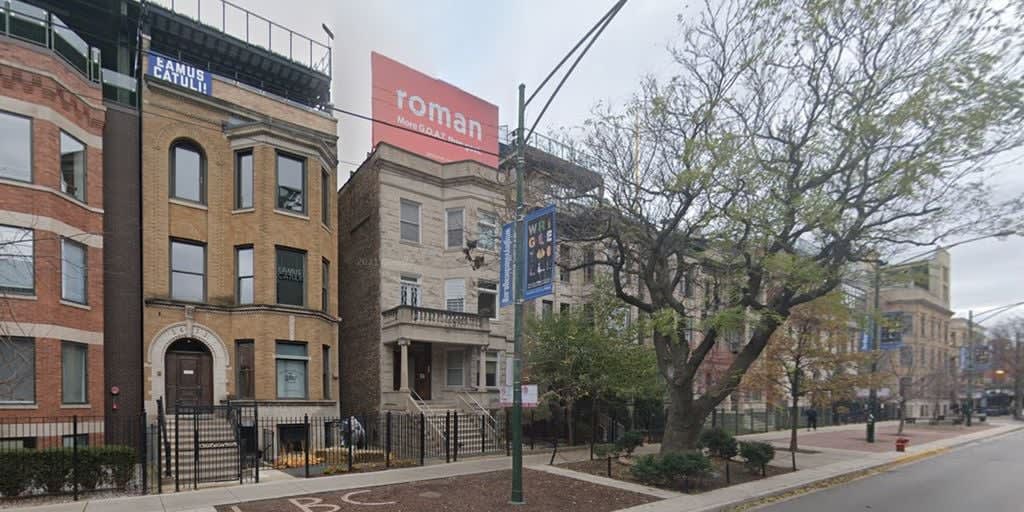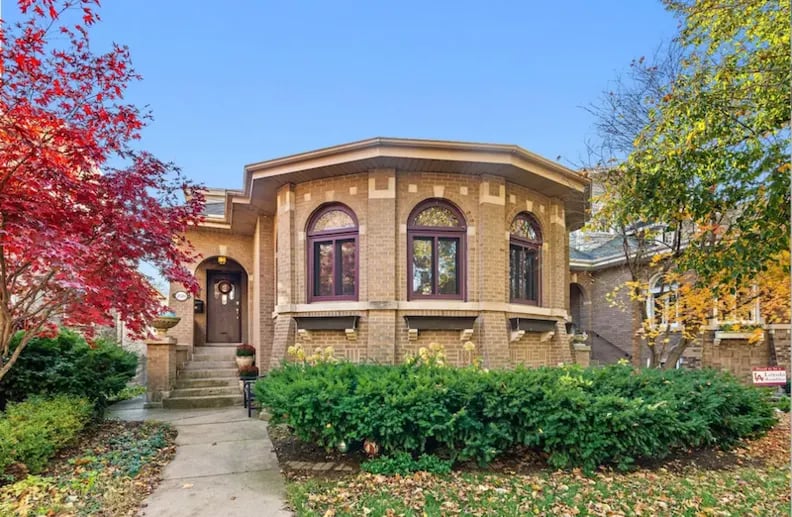
If you are thinking about buying a 2-flat or 3-flat in Lake View, the numbers can look exciting at first glance. But in this part of Chicago, the best purchase is rarely the one with the lowest price tag. You need to look at location, unit condition, income potential, and renovation risk together if you want to make a smart decision. Let’s dive in.
Start With Lake View Pricing
Lake View is a strong North Side market, but it helps to separate general neighborhood pricing from true multifamily pricing. According to Zillow’s Lake View home value data, the average home value was $419,508 as of February 28, 2026, with a median sale price of $523,333. Those numbers give you neighborhood context, but they do not reflect what you should expect to pay for a 2-flat or 3-flat.
For multifamily properties, the pricing is much higher. Redfin’s current Lake View multi-family listings show 7 properties for sale with a median listing price of $1.48 million, and most are on the market for about 18 days. Active listings range from about $889,900 to $2.6 million, with many clustered between $1 million and $1.6 million.
A practical working range in Lake View is often the low $800,000s for a solid but not fully luxury 2-flat, roughly $1 million to $1.6 million for renovated or well-located 2- and 3-flats, and $2 million or more for newer construction or highly upgraded buildings. That framework can help you spot whether a listing looks fairly priced or whether it may need a closer look.
Compare Asking Price to Real Sales
List price tells you where a seller wants to be. Closed sales help you understand what buyers have actually paid.
Recent Redfin sales show a meaningful spread based on condition and layout. A brick 2-flat sold for $825,000 in February 2026, an owner-occupant 2-flat on W Wellington sold for $1.25 million in October 2025, and a Lakeview/Southport Corridor 3-flat sold for $1.425 million in December 2025, as shown in these recent Lake View sales examples.
This is why your evaluation should go beyond price per unit. Two buildings with the same unit count can have very different values if one has updated systems, better layouts, parking, and stronger rental appeal. In Lake View, turn-key properties often command a real premium.
Focus on Location Within Lake View
In a neighborhood this active, micro-location matters. Transit access is one of the clearest value drivers.
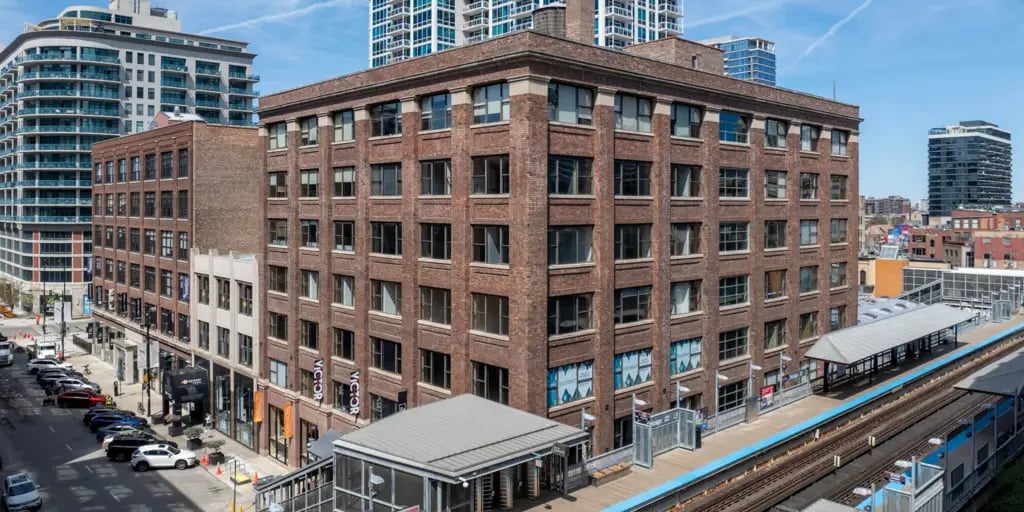
The CTA rail system map shows Brown Line stations at Belmont, Addison, Paulina, and Southport serving the Lake View corridor. CTA also notes that the Addison Red Line station sits just a half block east of Wrigley Field, which supports access across the neighborhood.
For many buyers and renters, convenient rail access improves day-to-day usability. It can also support resale demand and rental stability over time. If you are comparing two similar buildings, the one with easier access to transit may have the stronger long-term position.
Evaluate Rental Demand Carefully
A 2-flat or 3-flat in Lake View is often part home, part investment. That means rental demand should play a central role in your analysis.
Redfin describes Lake View as a supremely walkable neighborhood with a Walk Score of 91, along with about 94,521 residents and 21,364 jobs. That density helps support consistent housing demand, especially for well-maintained units near retail, dining, and transit.
The same Redfin page references current Zillow rental listings that show a 2-bedroom at $2,400 and a 3-bedroom at $3,600. Those examples are only snapshots, not guaranteed rent levels, but they can help you test whether a building’s income potential aligns with its asking price and carrying costs.
If you plan to live in one unit, think through how much rent the other unit can realistically produce. If you are buying strictly for income, evaluate whether unit size, finish level, and layout support competitive rents in today’s market.
Look for Owner-Occupant-Friendly Layouts
Many Lake View 2-flats work best for buyers who want to live in one unit and offset expenses with rental income. In that scenario, layout matters just as much as finish level.
The W Wellington sale example is a helpful reference point. It paired an upper duplex owner’s unit with a first-floor rental and included separate central heat and air, in-unit laundry, and a 2-car garage. That kind of setup gives you flexibility and can make the property more practical to finance, occupy, and resell.
When you tour a building, ask yourself whether one unit feels like a true home rather than just an apartment. A larger owner’s unit, updated mechanicals, and easy separation between units can make a big difference in daily life.
Identify Features That Support Value
Not every renovation adds equal value. In Lake View, buyers tend to respond most strongly to updates that improve function, comfort, and leasing appeal.
Recent sales suggest that separate HVAC, in-unit laundry, updated kitchens, rear decks, parking, and flexible unit mixes are especially useful. The W Wayne 3-flat sale included individual HVAC systems, in-unit laundry, rear decks, and a 2-car garage, while the Wellington property also offered separate heating and cooling plus laundry and garage parking.
These features matter because they make units easier to rent, more comfortable to live in, and more attractive when it is time to sell. If a property lacks several of them, your budget should reflect the cost and complexity of adding improvements later.
Verify Zoning Before You Assume Upside
This is one of the biggest mistakes buyers make with vintage multifamily buildings. They assume a basement can be converted, a unit can be expanded, or parking can be changed without checking the parcel-specific rules.
The City of Chicago zoning map help page explains that zoning and land-use designations must be checked by address, PIN, or intersection, and that details become more precise as you zoom to the parcel level. In practical terms, that means you should confirm zoning before you build your financial plan around an expansion or reconfiguration idea.
If your purchase depends on creating more usable space or changing how the building functions, zoning is not a side issue. It is a core part of the property’s value.
Review Permits and Inspections
In older Lake View buildings, cosmetic updates are only part of the story. You also want confidence that major work was done properly.
Chicago makes building permit and inspection tracking available, and the city’s Certificate of Occupancy guidance notes that a certificate cannot be issued if work is incomplete or deficiencies are found. That makes permit history an important part of due diligence, especially if a seller highlights renovations or added living space.
Inspection records also show the types of issues that often matter in older apartment buildings. Based on Chicago inspection record examples, common concerns can include smoke detectors in each dwelling unit, carbon monoxide detectors near sleeping areas, stairwell and fire-separation issues, GFCI concerns, and plumbing defects.
You do not need every building to be perfect on day one. But you do need to understand whether you are buying a manageable update project or inheriting deferred maintenance with safety and compliance implications.
Weigh Resale Potential Early
A smart purchase plan should include your exit strategy from the beginning. Even if you expect to hold the property for years, resale potential affects what you can pay today.
Redfin’s Lake View housing market data describes the neighborhood as very competitive, and the multifamily inventory remains limited. In that kind of environment, buildings that show well, live well, and feel move-in ready often have the strongest resale story.
Parking, outdoor space, updated systems, and a clean unit mix can all help. So can a location with easy access to rail stations, shopping corridors, and daily conveniences. If a property has an awkward layout or obvious capital needs, make sure the price leaves room for that risk.
Compare Lake View to Nearby Areas
If you are deciding between North Side neighborhoods, Lake View often lands in an appealing middle ground. According to Zillow neighborhood value comparisons, Lake View sits below Wrigleyville, Lincoln Park, Roscoe Village, North Center, and Bucktown, but above Ravenswood and well above Uptown.
That does not make one area better than another. It simply means Lake View can offer a useful value comparison if you want North Side access and strong demand without stretching into some of the priciest nearby markets.
For many buyers, that balance is the real draw. You get a high-demand location, strong transit access, and a liquid resale market, but with pricing that can still make sense if the building’s layout and condition are right.
A Simple Lake View Evaluation Checklist
If you want a practical way to compare properties, use this checklist on every 2-flat or 3-flat you tour:
- Price position: Does it fit the current Lake View multifamily range for its condition and location?
- Micro-location: How close is it to CTA access, major corridors, and daily amenities?
- Unit quality: Are kitchens, baths, flooring, and mechanical systems updated?
- Building systems: Are HVAC, electrical, plumbing, and roof condition clearly documented?
- Income potential: Do current or projected rents support your monthly costs?
- Layout flexibility: Does the building work for an owner-occupant, tenants, or both?
- Value features: Is there laundry, parking, outdoor space, or a duplexed owner’s unit?
- Zoning: Have you confirmed what is legally allowed on the parcel?
- Permit history: Were major renovations properly permitted and signed off?
- Exit strategy: Will this property still appeal to future buyers if market conditions shift?
Buying a 2-flat or 3-flat in Lake View can be a powerful way to build flexibility into your housing decision. The strongest purchases usually combine a practical layout, solid rental support, and realistic renovation upside. If you want help weighing the tradeoffs between location, condition, and long-term value, connect with Nicole Hajdu for calm, renovation-savvy guidance tailored to your goals.
FAQs
What price range should you expect for a Lake View 2-flat or 3-flat?
- Current active and recent sold examples suggest a practical range from the low $800,000s for a solid 2-flat to roughly $1 million to $1.6 million for many renovated or prime-location properties, with $2 million or more for newer or highly upgraded buildings.
What should you look for when evaluating a Lake View multifamily property?
- Focus on micro-location, unit condition, building systems, income potential, layout flexibility, zoning, permit history, and resale appeal rather than relying only on the asking price.
Why does transit matter when buying a Lake View 2-flat or 3-flat?
- Access to Brown Line and Red Line stations can support day-to-day convenience, rental demand, and resale interest, especially in a dense and walkable neighborhood like Lake View.
What features add value to a Lake View 2-flat or 3-flat?
- Separate HVAC, in-unit laundry, updated kitchens, rear decks, parking, and flexible layouts such as a duplexed owner’s unit are features that can improve livability, rental appeal, and resale potential.
How important are zoning and permits for a Lake View multifamily building?
- They are essential because zoning is parcel-specific in Chicago, and permit history helps confirm whether major work was completed legally and signed off properly.
Is Lake View a good fit for an owner-occupant multifamily purchase?
- It can be, especially if the property includes a comfortable owner’s unit and a rental unit that helps offset carrying costs while still preserving future resale flexibility.