If you love the idea of a solid brick Chicago bungalow, Edison Park is one of the places that can make that search feel especially rewarding. This far northwest Chicago neighborhood stands out for its high share of detached single-family homes, strong owner occupancy, and housing stock that often blends vintage character with later updates and expansions. If you are thinking about buying here, it helps to know what makes a true bungalow, what issues to watch for, and where renovation potential can add value. Let’s dive in.
Why Edison Park Appeals to Bungalow Buyers
Edison Park has a housing profile that feels more single-family oriented than many other parts of Chicago. According to the Chicago Metropolitan Agency for Planning community data snapshot, 66.2% of homes are detached single-family, 80.7% are owner-occupied, and the median year built is 1953.
That matters when you are shopping for a bungalow. It means you are likely to see a mix of older homes, mid-century housing, and properties that have been updated, expanded, or rebuilt over time rather than one perfectly uniform block of vintage homes. The same CMAP snapshot also shows that 54.1% of housing units have 3 or 4 bedrooms, which helps explain why Edison Park often feels more spacious and residential within the city.
What Makes a Classic Chicago Bungalow
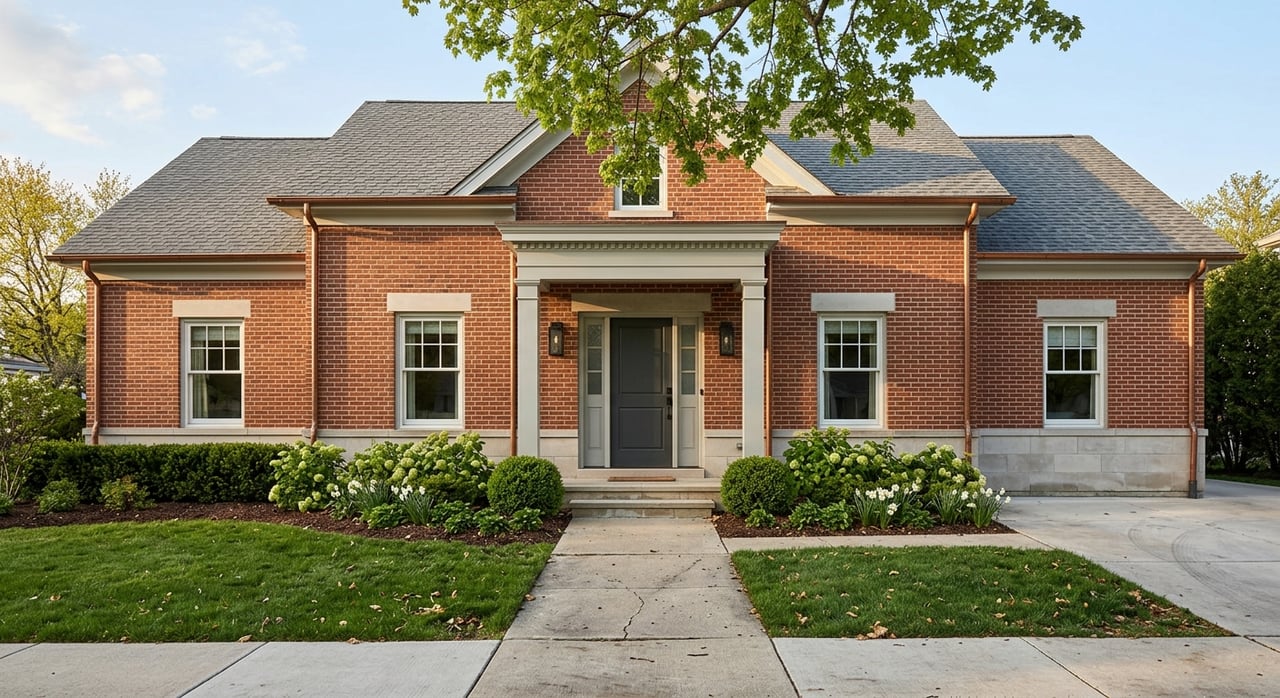
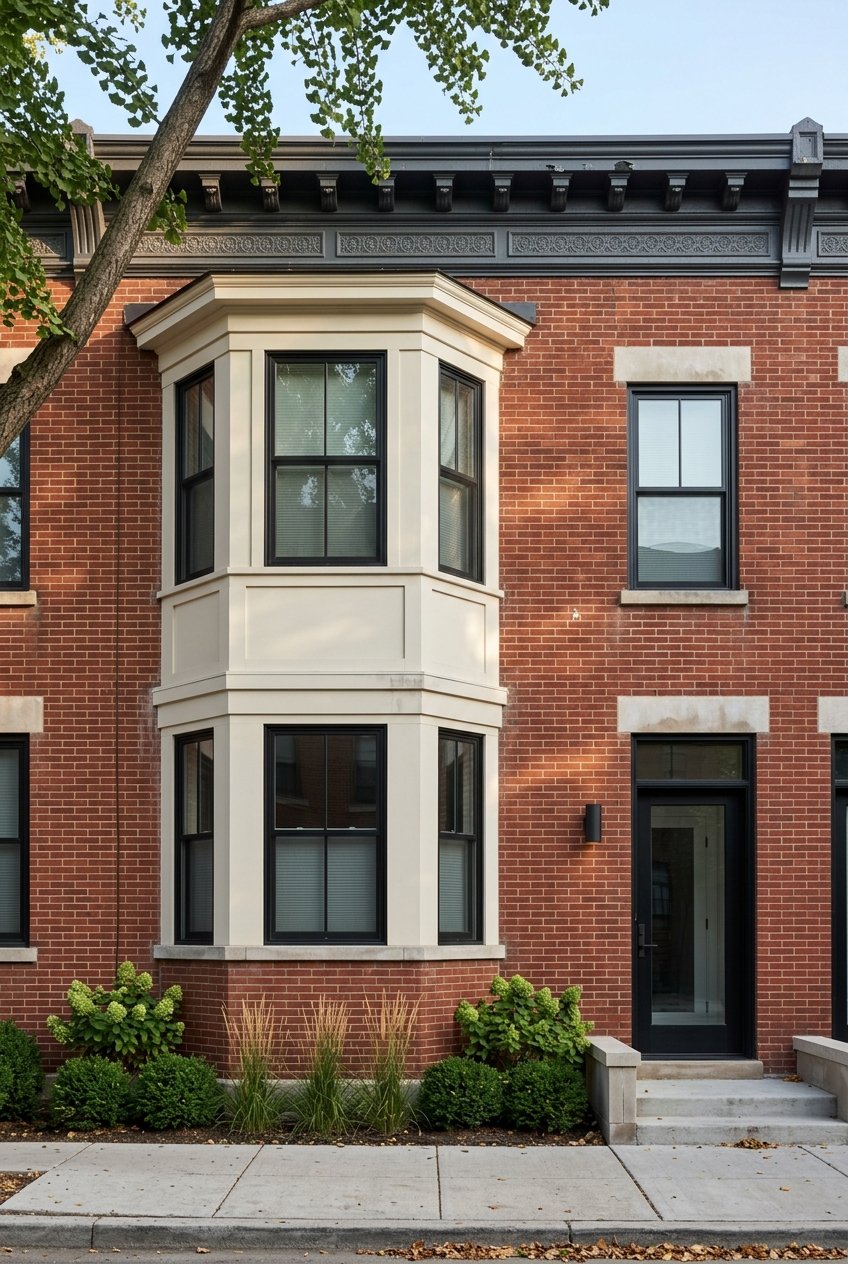
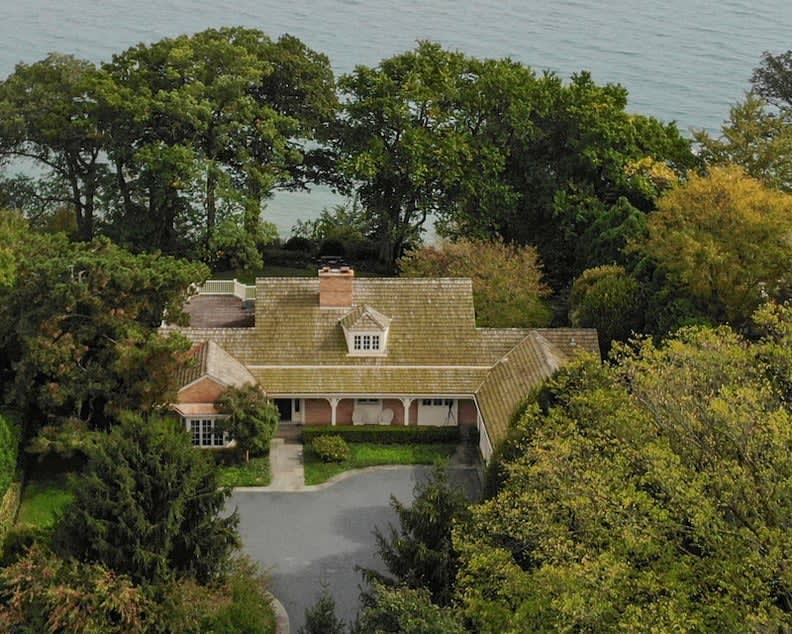
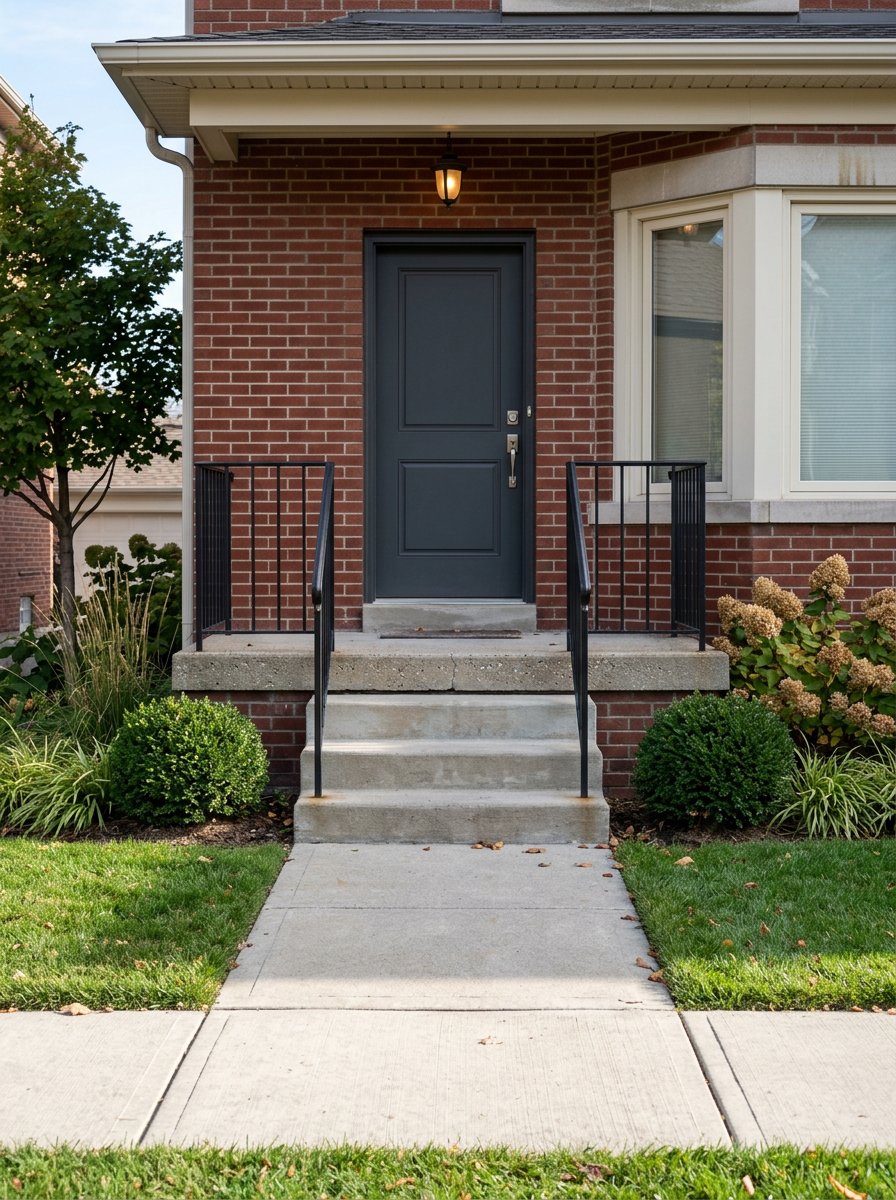
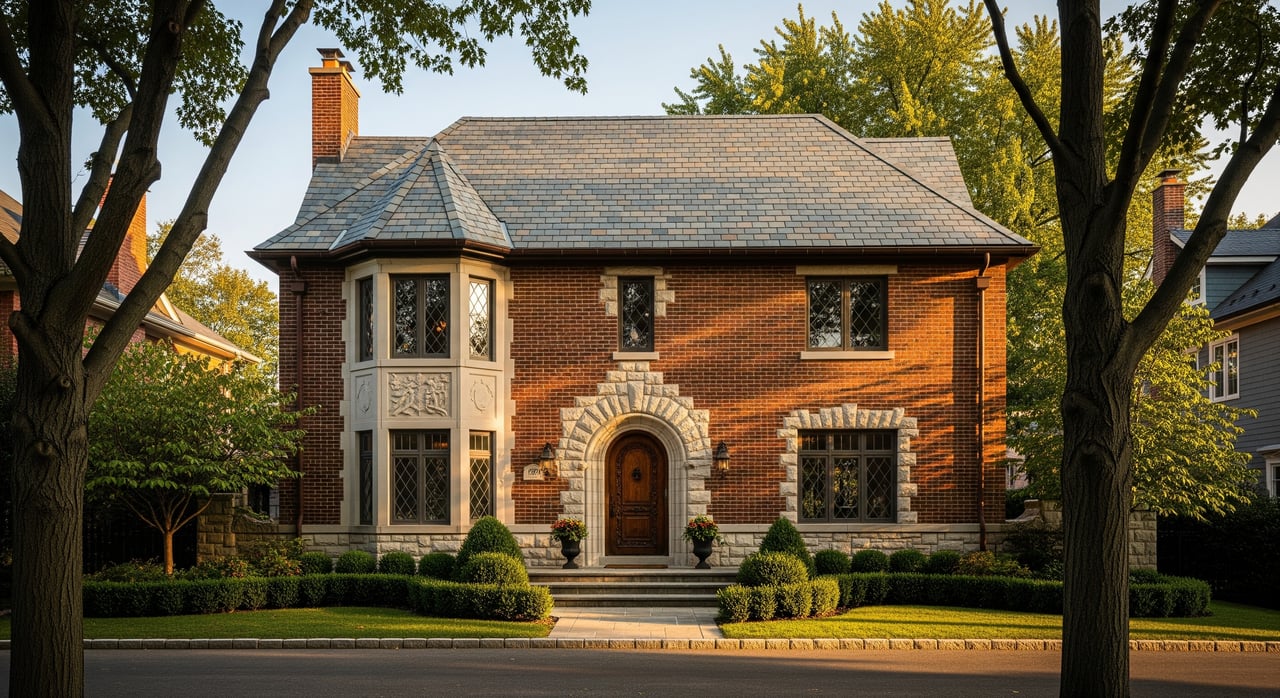
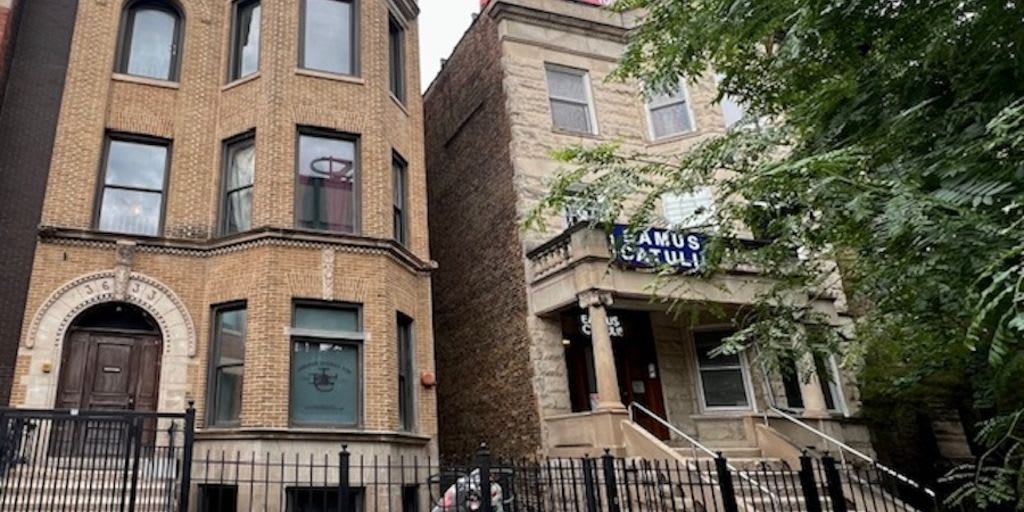
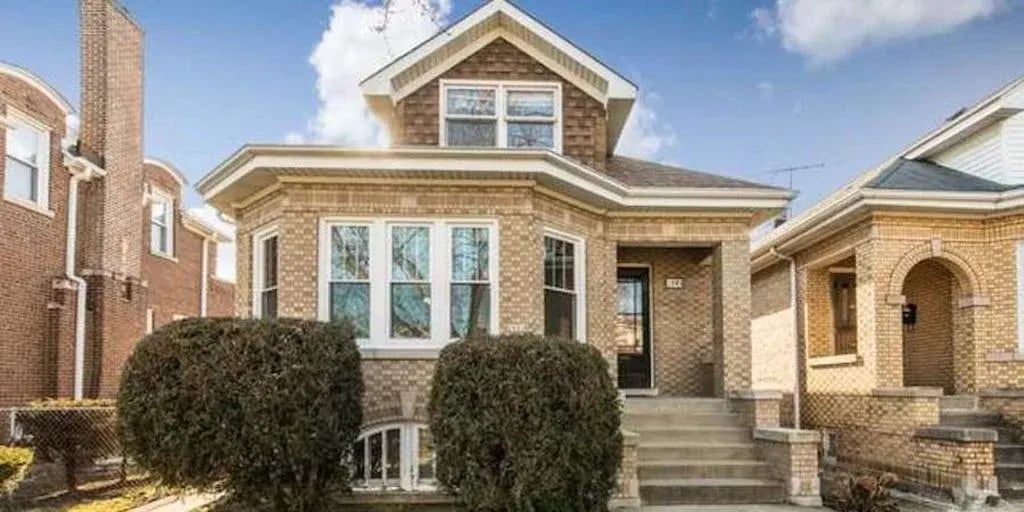
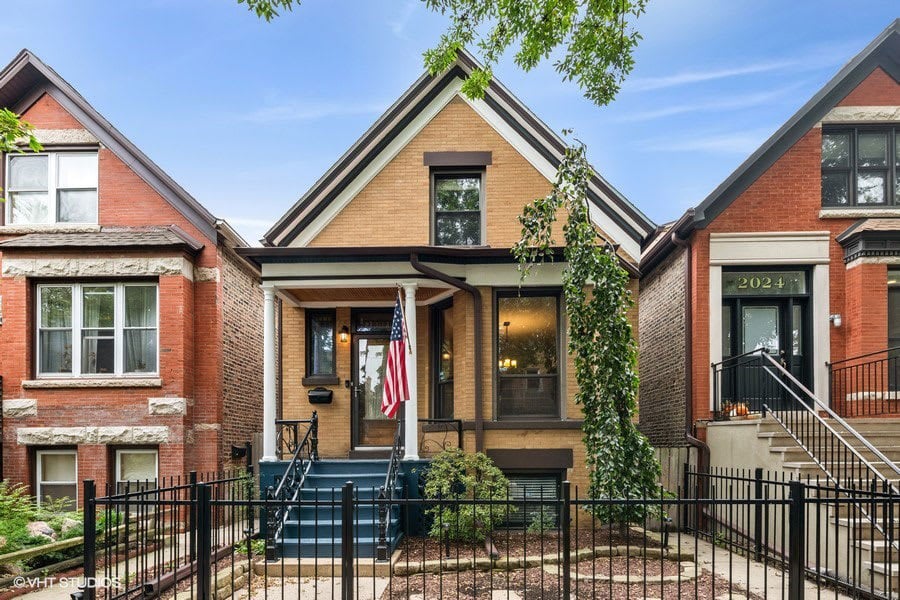
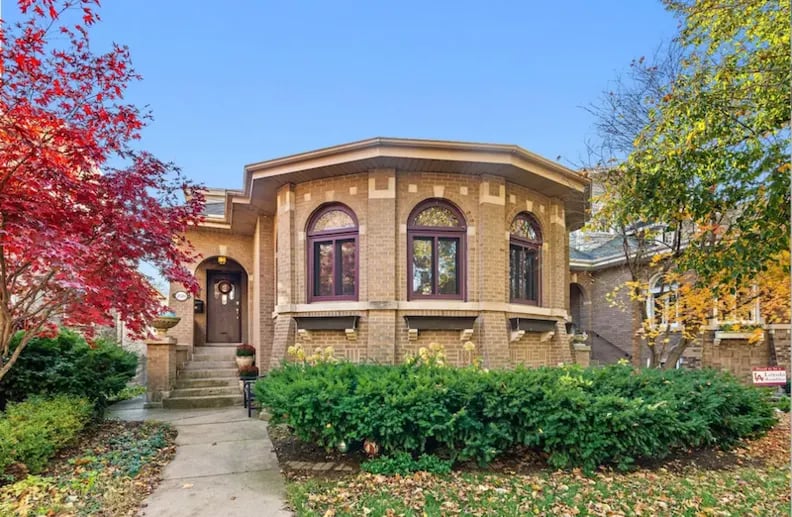
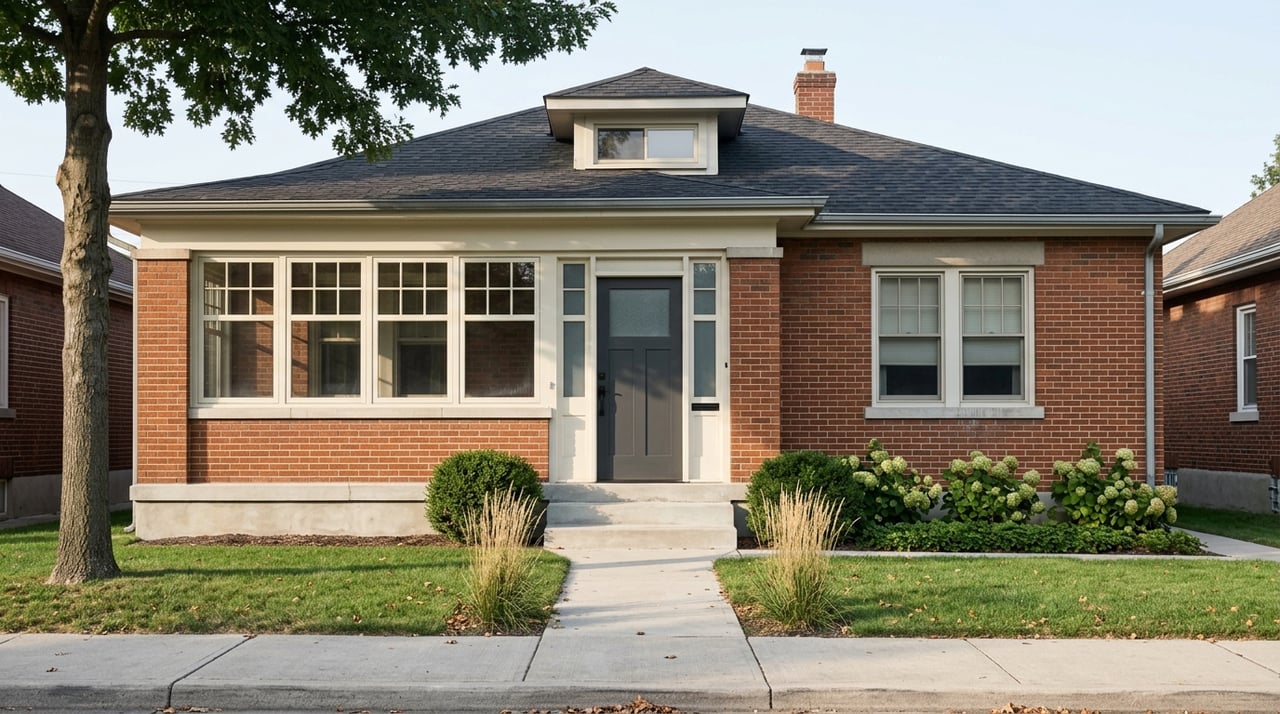
A classic Chicago bungalow has a very specific look and layout. The Chicago Architecture Center describes it as a brick, one-and-one-half-story home over a basement, often with a low-pitched hipped roof, wide overhangs, generous windows, and a front porch with steps up from the street.
The Chicago Bungalow Association adds an important detail about how these homes function. Many were designed for narrow city lots, with public rooms on one side, private rooms on the other, and an unfinished attic intended for future expansion. That is one reason a bungalow can look modest from the curb but feel more flexible once you step inside.
You may also see front bays, dormers, enclosed porches, or connected living and dining spaces that make the layout feel more open than older house styles. Because these homes were built to adapt over time, it is common to find original details mixed with later changes.
What You May See in Edison Park
In Edison Park, bungalow buyers should expect variety. Some homes may still have much of their original layout and character, while others may have updated kitchens, finished basements, attic bedrooms, rear additions, or porch conversions.
That variety is not necessarily a drawback. It just means you will want to separate cosmetic changes from meaningful structural, mechanical, and moisture-related improvements. A beautiful renovation can be a real asset, but only if the work was done thoughtfully and documented properly.
Inspection Issues to Watch Closely
Water Problems Matter Most
For many Chicago bungalows, water is the first issue to evaluate carefully. The Chicago Bungalow Association’s roof guidance notes that ice dams are common, and roof or gutter problems can lead to leaks, basement issues, and masonry deterioration.
Its basement flooding guidance also points out that Chicago’s combined sewer system can back up during heavy rain. When you tour a home, pay close attention to foundation seepage, yard drainage, leaking window wells, exterior doors, and signs of past water intrusion.
A finished basement is not automatically a concern, but you should look beyond the finishes. Staining, odors, patched drywall, or flooring choices that are not moisture-resistant can all be clues that water management needs a closer look.
Masonry Deserves a Careful Eye
Brick bungalows are durable, but age and moisture can still take a toll. The Chicago Bungalow Association masonry guide highlights common issues like efflorescence, spalling, damaged mortar, and cracks at lintels above windows.
If you notice fresh tuckpointing, do not assume that is either good or bad on its own. It is worth asking who completed the work and whether the repair approach was appropriate for older masonry. Repairs done with overly hard mortar, certain sealants, or aggressive cleaning methods can create new problems over time.
Plumbing and Mechanical Systems Can Reveal Age
Many older bungalows still show the evolution of decades of ownership. The Chicago Bungalow Association plumbing information notes that buyers may encounter boilers, radiators, older piping, corroded galvanized pipes, low water pressure, slow drains, sewer-line issues, or frozen pipes in spaces that were added or altered later.
This often shows up in places like enclosed porches, basement bathrooms, or older additions. Ask direct questions about the age of the boiler, pipe materials, sewer-line history, and whether major work was completed by licensed professionals.
Lead and Asbestos Need Smart Handling
If the home was built before 1978, renovation planning should include lead-safe considerations. The EPA’s lead-safe renovation guidance explains that renovation, repair, or painting in pre-1978 homes can create dangerous lead dust if lead-based paint is present.
The EPA’s asbestos guidance also notes that suspected asbestos-containing materials, such as certain floor tiles, ceiling tiles, or pipe wrap, should be evaluated by a trained professional if they are damaged or may be disturbed during renovation. For buyers, this does not always mean walking away. It means planning carefully and using the right qualified experts.
Renovation Potential in a Bungalow
One of the biggest reasons buyers love bungalows is their flexibility. The Chicago Bungalow Association’s original design resources and expansion examples show how these homes were often meant to grow with their owners.
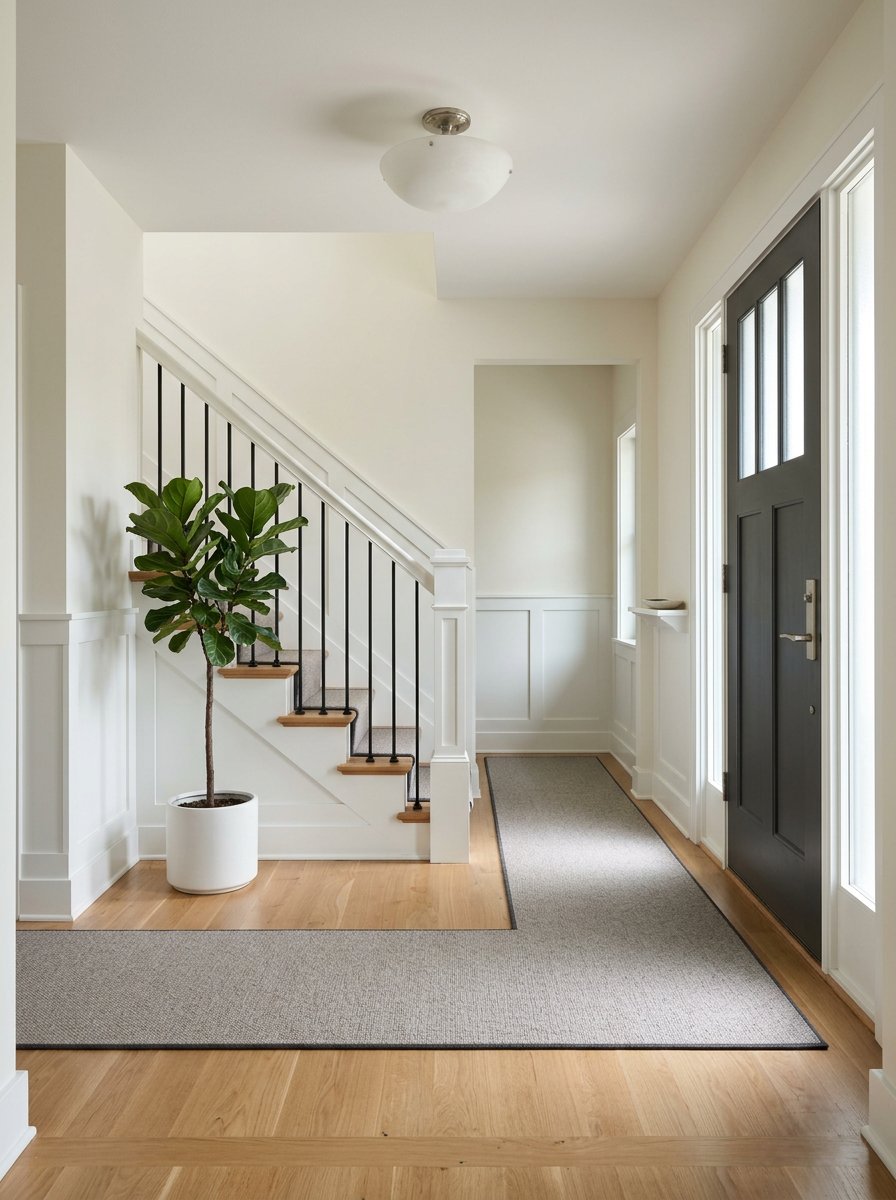
Common upgrades include attic build-outs, finished basements, kitchen reconfigurations, rear additions, and new staircases. In many cases, the best renovation is not the flashiest one. It is the one that improves how the home lives while also respecting moisture control, structure, and code requirements.
If you are touring a bungalow with an unfinished attic, look closely at ceiling height, dormers, staircase options, and whether the layout offers a realistic path to future expansion. If the basement is already finished, think about whether the work appears moisture-conscious and practical, not just attractive.
A Smart Buyer Checklist
When you walk through an Edison Park bungalow, it helps to stay focused on a few high-value areas.
- Roof and gutters: Look for curling shingles, missing granules, multiple roof layers, and signs of ice-dam damage.
- Brick and stone: Watch for white powder on the masonry, cracked lintels, patched sections, sealed brick, or mortar that looks too new or too hard.
- Basement: Check for staining, musty odors, sump pumps, water near window wells, and moisture-resistant finish choices.
- Windows and attic: Note whether original wood windows seem repairable and whether the attic has dormers or a realistic expansion path.
- Mechanical systems: Ask about boiler age, plumbing materials, sewer-line history, and the scope of any updates.
- Documentation: Request records for attic, basement, porch, dormer, or addition work.
Chicago makes permit research easier than many buyers realize. You can review Chicago building permit and inspection records to help verify work, and historic permit records can sometimes reveal original builder, architect, and construction details.
How to Buy With More Confidence
Buying a classic bungalow is partly about charm, but it is also about understanding how an older home performs. The best strategy is to balance your excitement about character with a clear-eyed review of water management, masonry, systems, and renovation quality.
This is also where local knowledge helps. In a neighborhood like Edison Park, small differences between two similar-looking homes can have a big impact on long-term upkeep, comfort, and resale potential.
If you are considering an Edison Park bungalow and want guidance on how to evaluate condition, layout, and renovation upside, Nicole Hajdu can help you look past the surface and make a more informed move.
FAQs
What defines a classic Edison Park bungalow?
- A classic bungalow in Edison Park is typically a brick one-and-one-half-story home over a basement, often with a low-pitched roof, generous front windows, and an attic that may offer expansion potential.
What should you inspect first in an Edison Park bungalow?
- Focus first on water-related issues, including the roof, gutters, basement, window wells, and drainage, since moisture problems can affect multiple parts of the home.
Are unfinished attics common in Chicago bungalows?
- Yes. Many Chicago bungalows were originally designed with unfinished attics that could later be converted into additional living space.
How can you check renovation work on an Edison Park home?
- Ask the seller for documentation and review Chicago’s public building permit and inspection records to confirm whether major work was permitted and completed.
Is buying an older bungalow in Edison Park a bad idea if updates are needed?
- Not necessarily. Many buyers see value in bungalows because they offer character and expansion potential, but it is important to understand the condition, likely repairs, and quality of any prior improvements before you buy.